
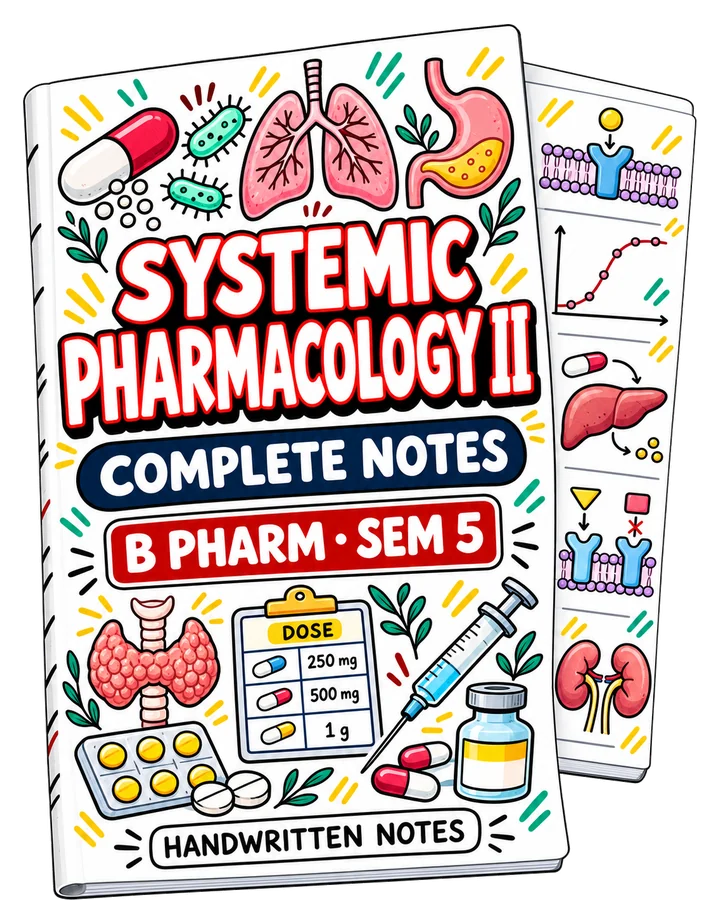
B Pharm · PCI syllabus · Handwritten PDF notes
B Pharm Semester 5Systemic Pharmacology II Notes
Instant PDF download after payment. Pay once, keep forever.
- Instant download
- Lifetime access
- UPI, GPay, PhonePe, cards
Watch before you buy
Students on All Notes PDF
Real students talking about how they revise with our handwritten notes.
How it works
Get your notes in 3 easy steps
No app, no waiting. The whole thing takes under a minute.
- STEP 110 sec
Choose your notes
One subject, any two, or a full class set.
- STEP 230 sec
Pay with UPI or card
GPay, PhonePe, Paytm or card. Pay once, no subscription.
- STEP 3Instant
Download your PDFs
Tap Download on any chapter. Links never expire.
- Log in
- My library
- Download
Complete coverage
All 21 chapters, one PDF each
See every downloadable PDF included with B Pharm Semester 5 Systemic Pharmacology II, organised chapter by chapter.
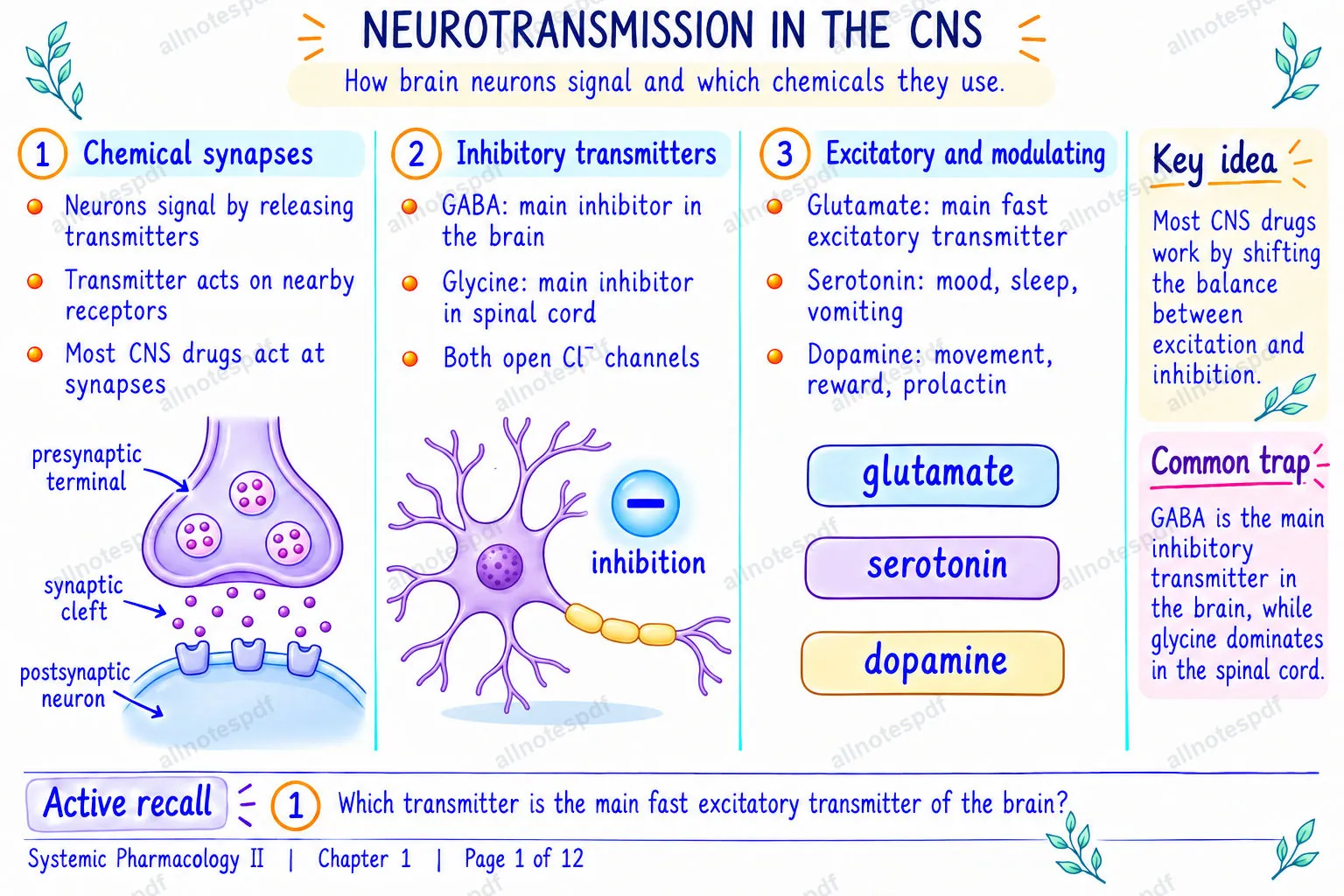
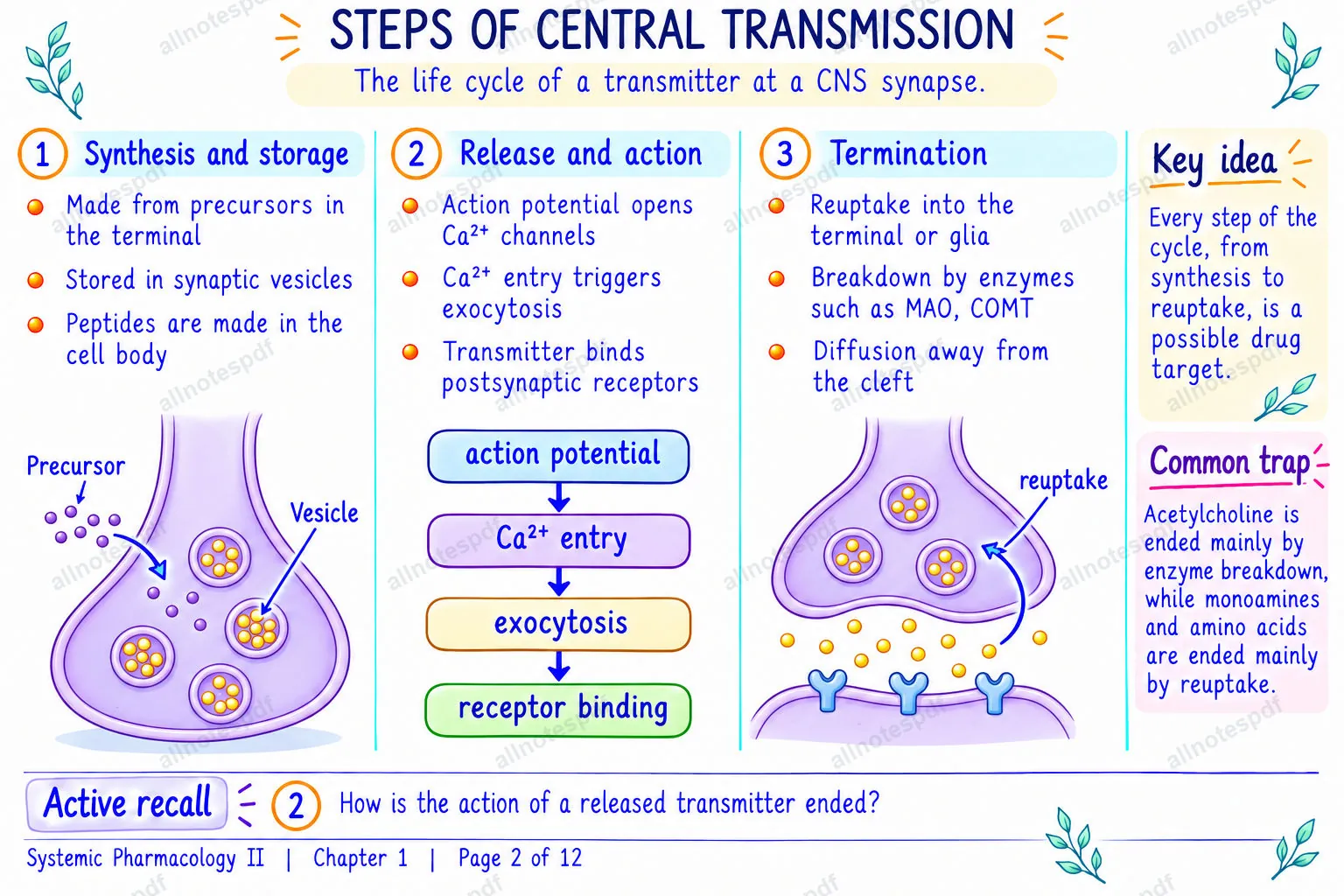
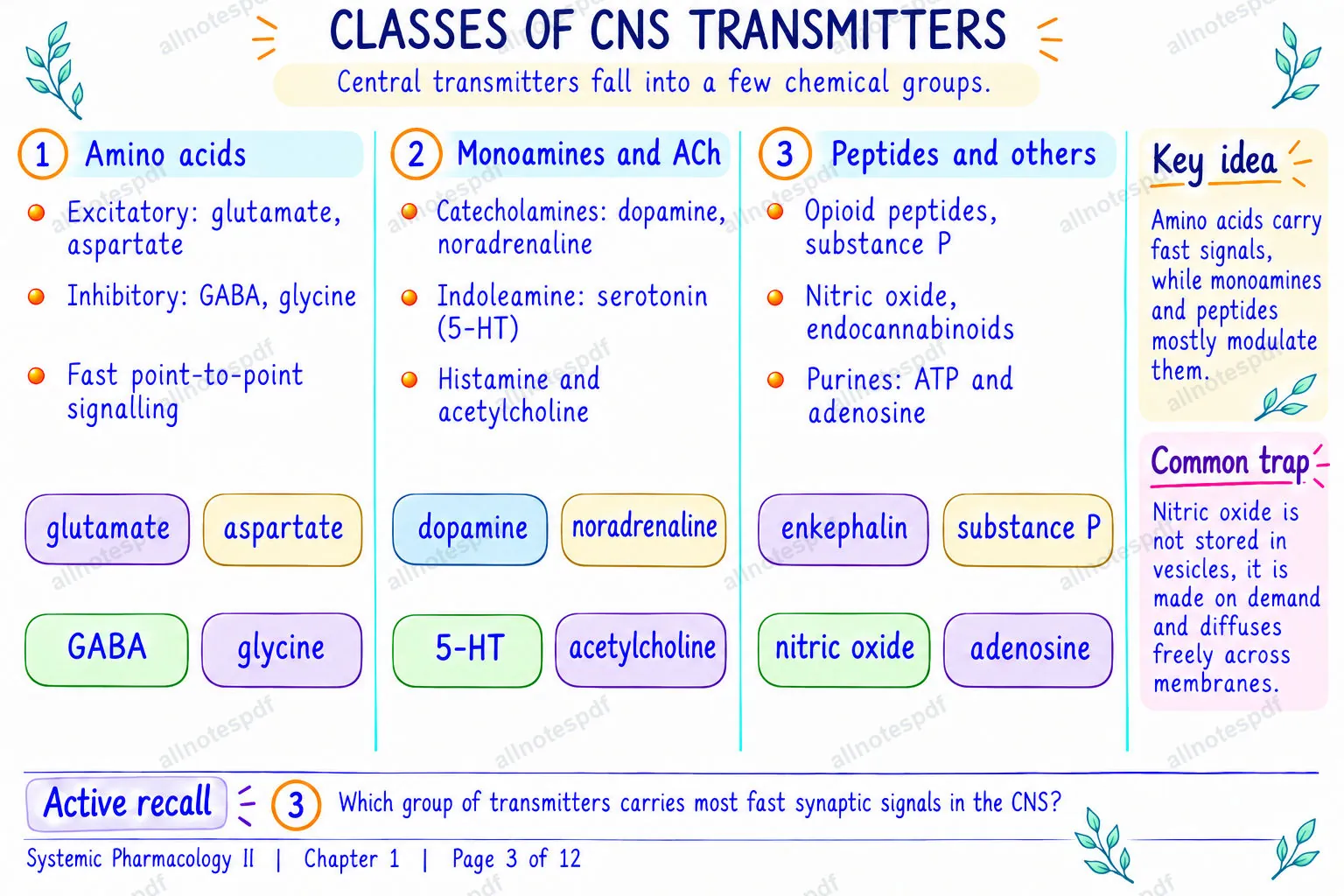
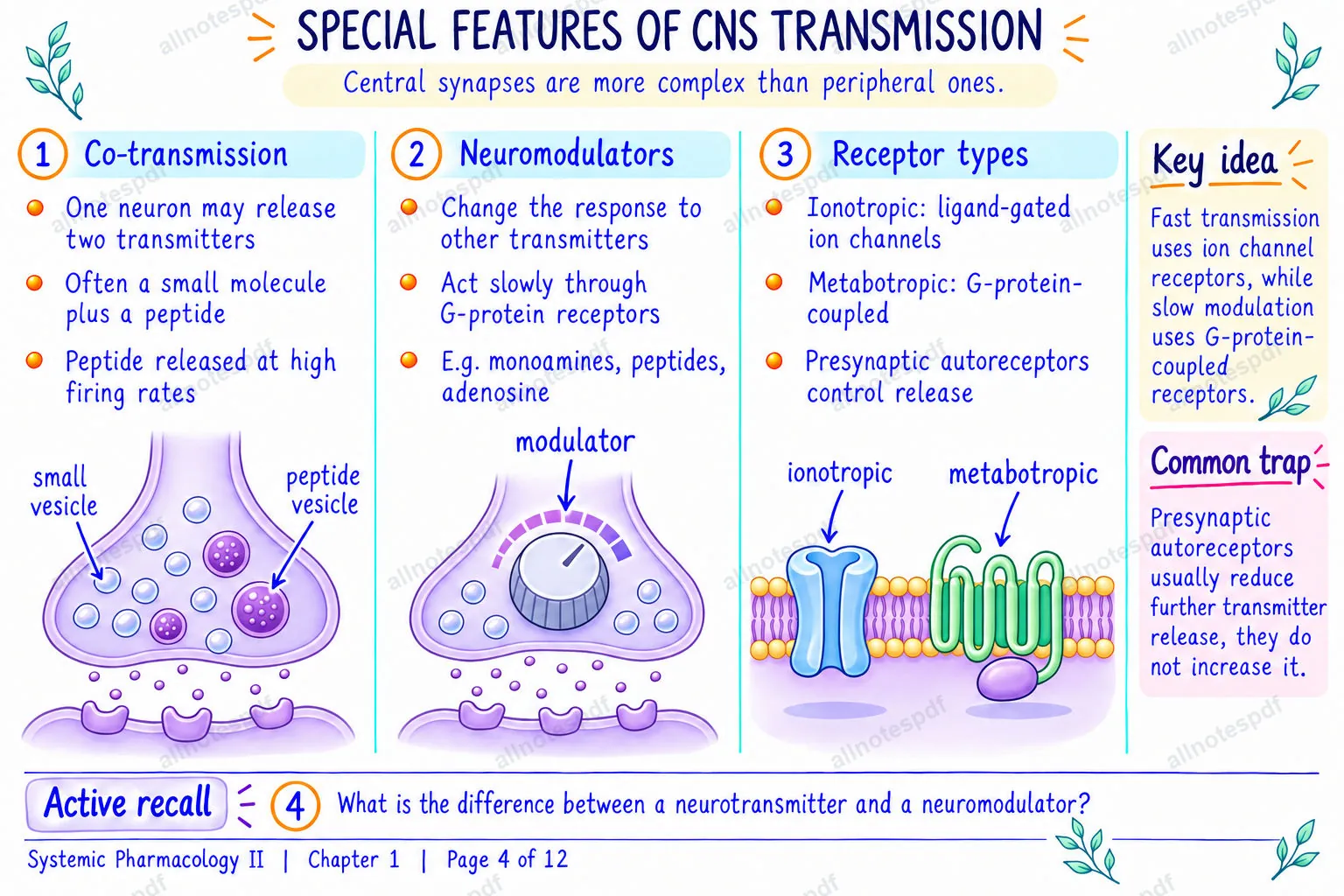
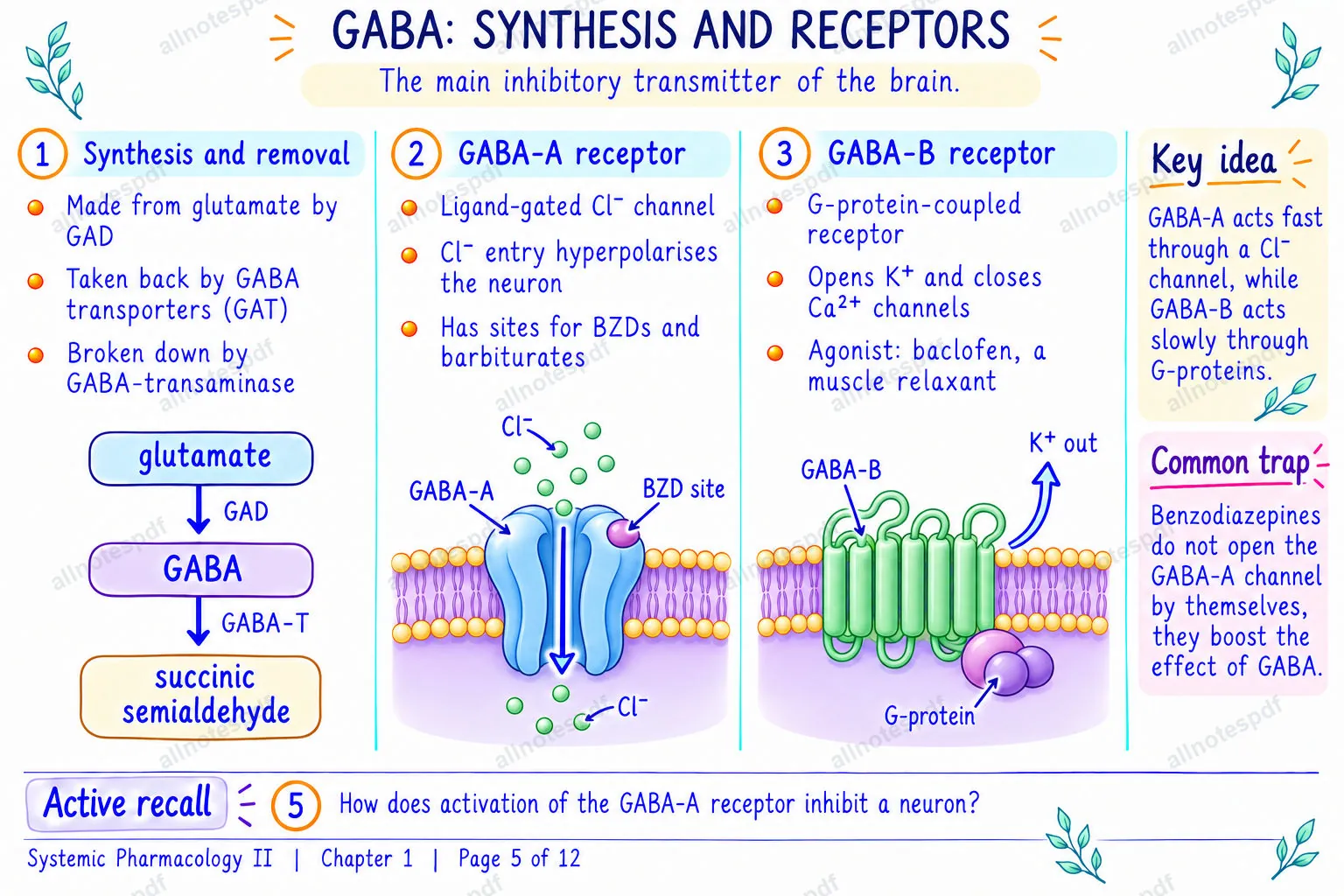
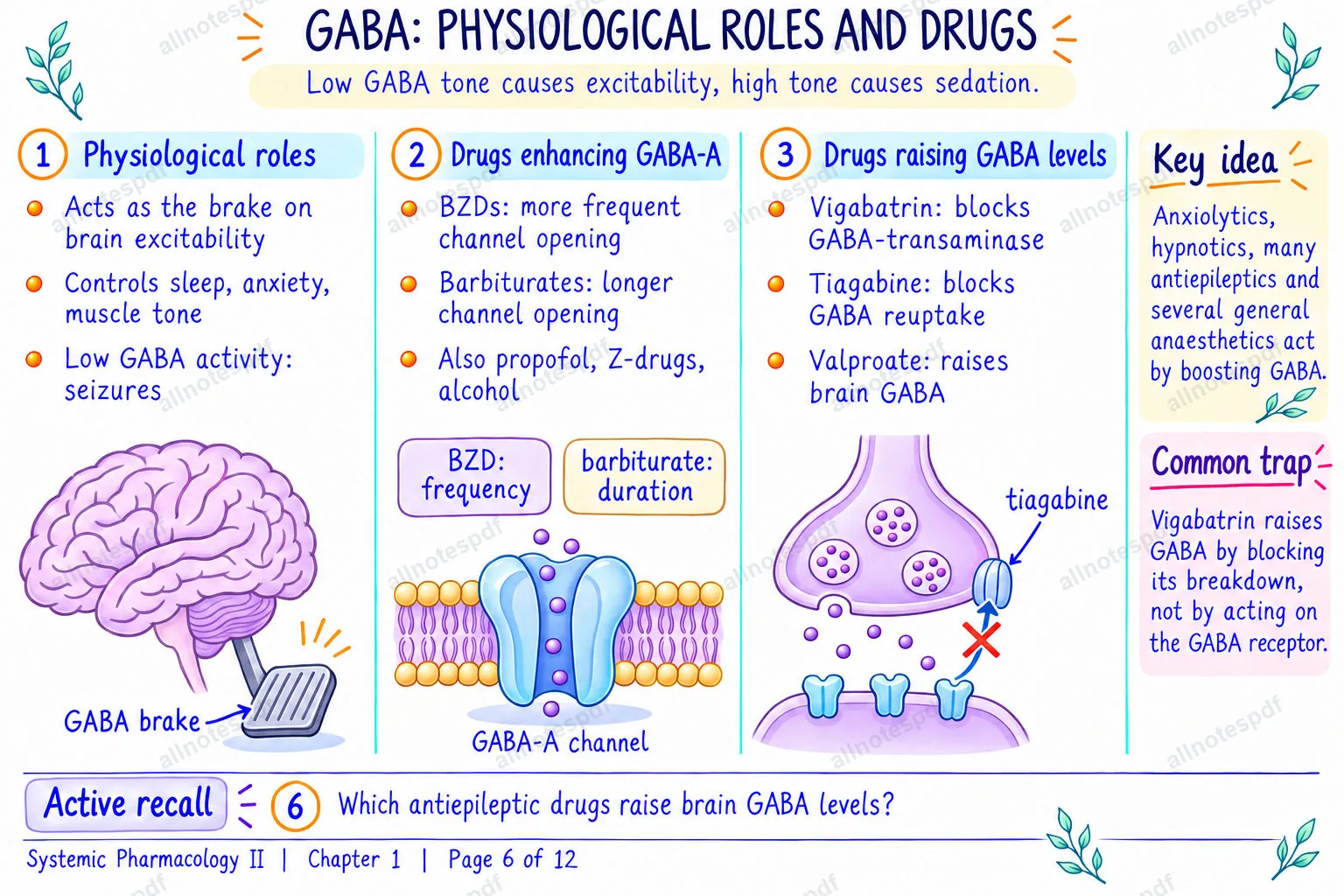
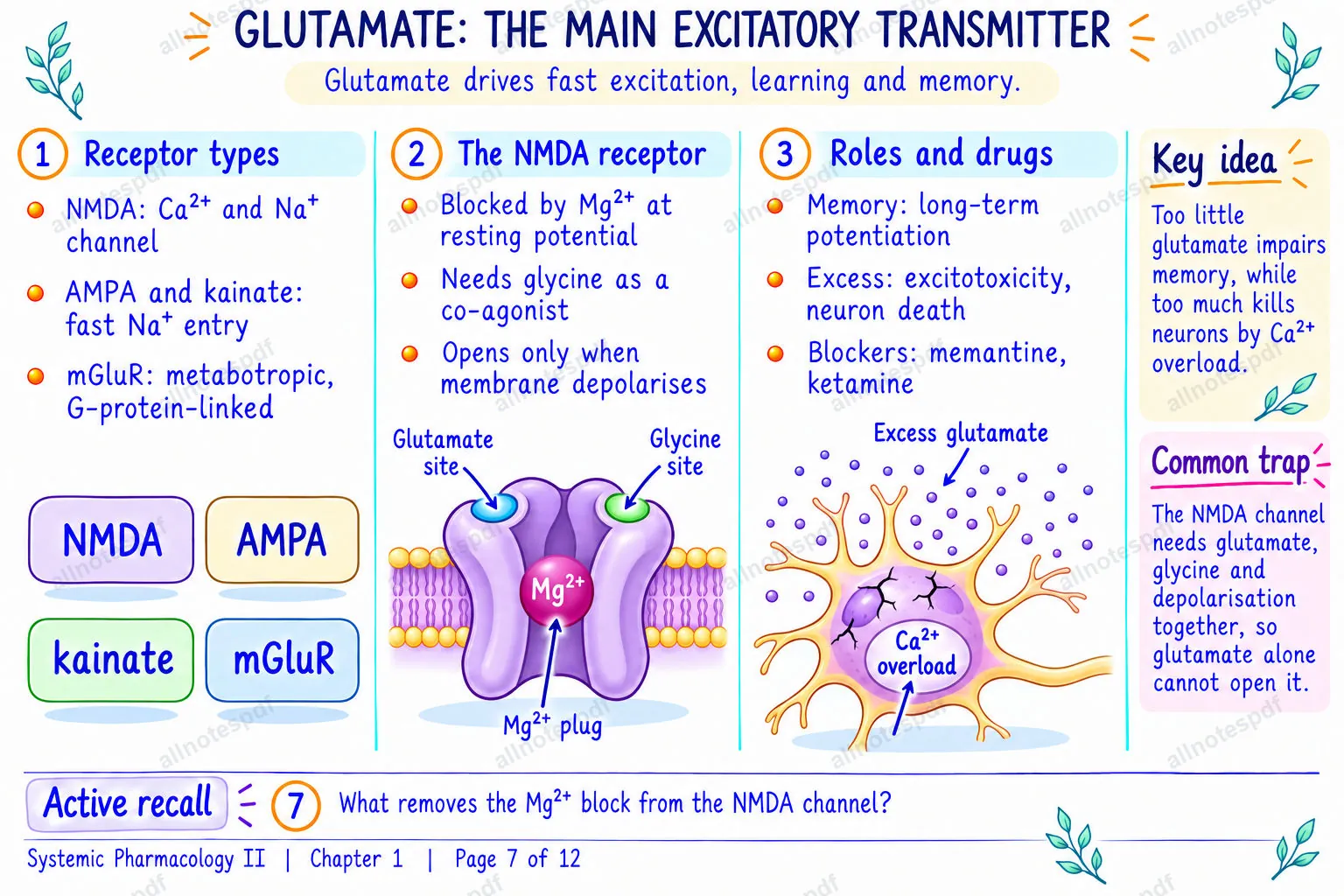
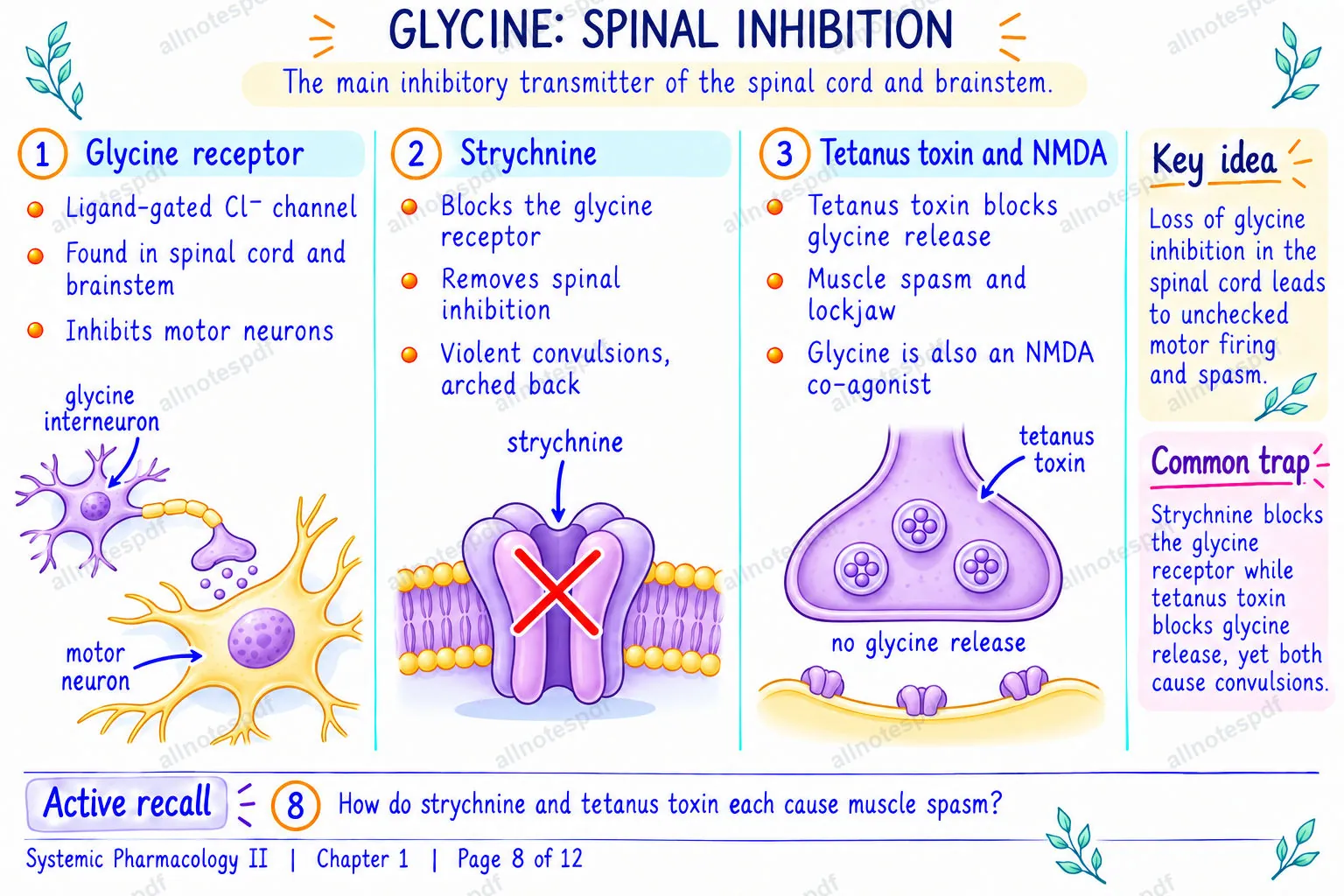
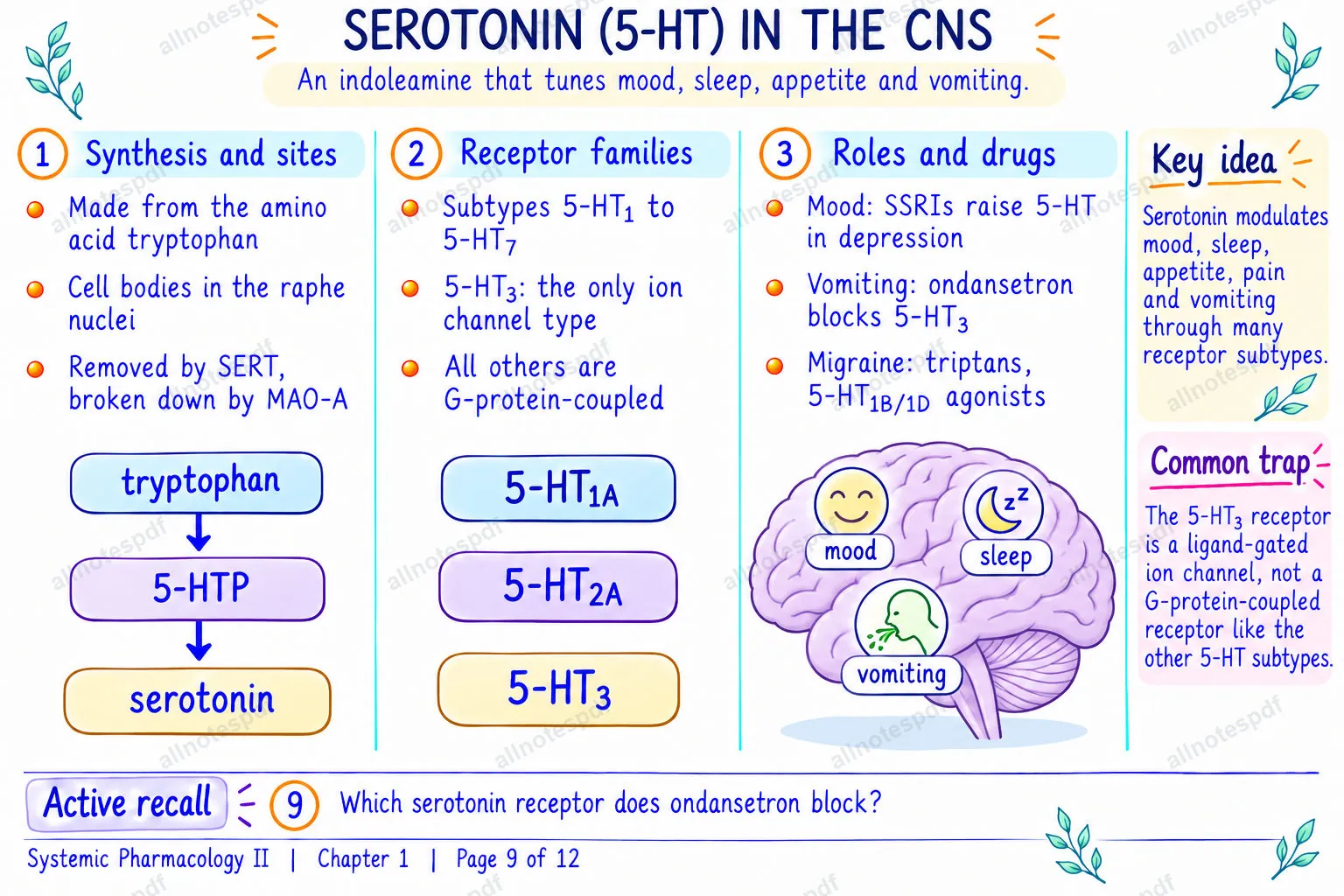
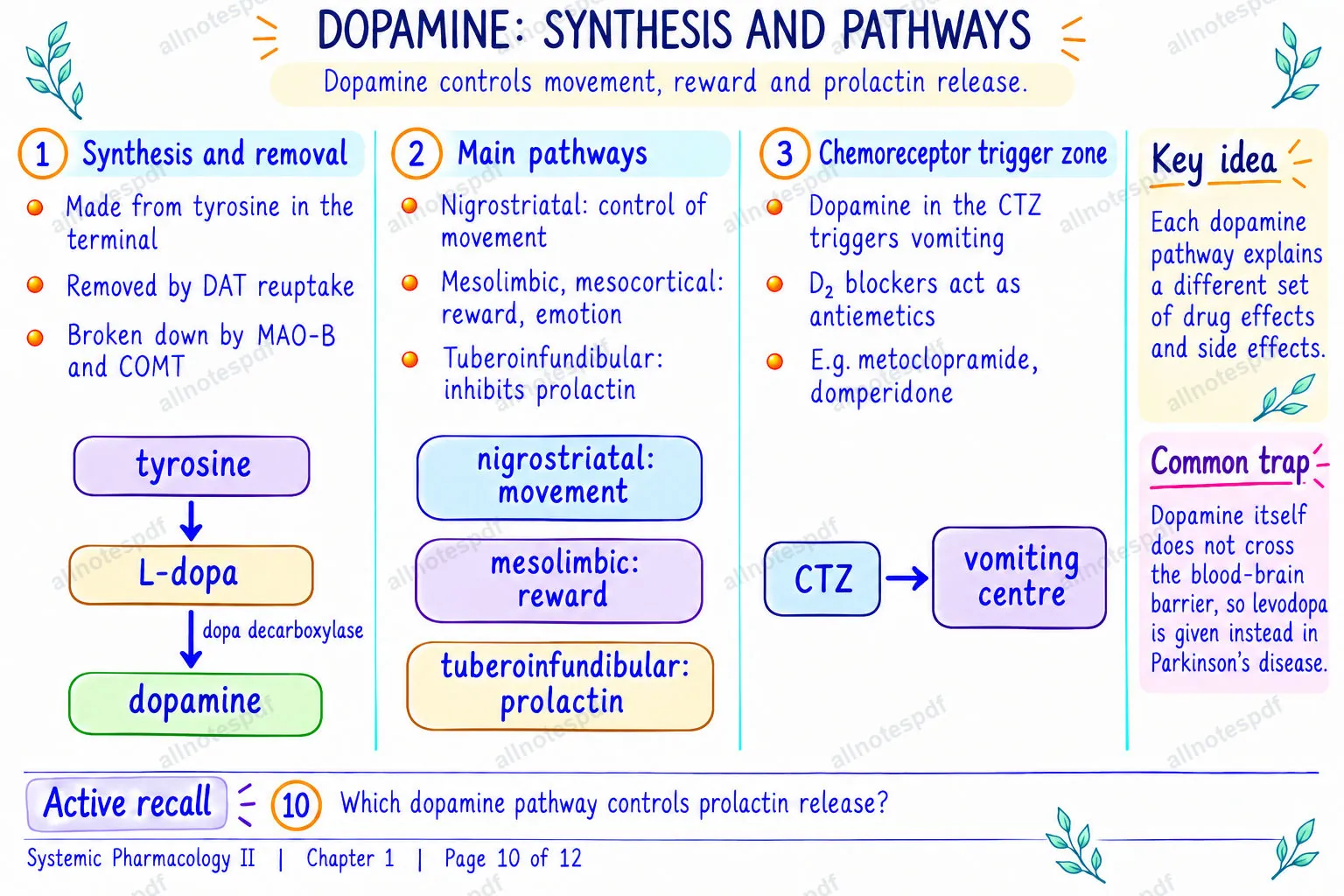
Covers neurohumoral transmission in the CNS, classes of central transmitters, co-transmission and neuromodulation, and the physiological roles of GABA, glutamate, glycine, serotonin and dopamine.
Covers general anaesthesia and its stages, mechanism and classification of general anaesthetics, inhalational and intravenous agents, pre-anaesthetic medication, and local anaesthetics with their mechanism, toxicity.
Covers sleep and the classification of hypnotics, barbiturates, benzodiazepines and flumazenil, Z-drugs and newer hypnotics, pharmacology of ethyl alcohol, alcohol intoxication, alcoholism and withdrawal.
Covers opium and classification of opioids, opioid receptors and endogenous peptides, actions, kinetics, adverse effects, tolerance, dependence, poisoning and uses of morphine, other opioid agonists, mixed agonist-antagonists.
Covers types of epileptic seizures, classification and mechanisms of antiepileptic drugs, drugs of choice, phenytoin, carbamazepine, valproate, ethosuximide, phenobarbitone, benzodiazepines, newer antiepileptics.
Covers parkinson's disease and its transmitter imbalance, classification of antiparkinsonian drugs, levodopa and carbidopa, dopamine agonists, MAO-B and COMT inhibitors, amantadine and central anticholinergics, Alzheimer's disease.
Covers antipsychotic drugs: schizophrenia and the dopamine hypothesis, classification of typical and atypical antipsychotics, mechanism of action, dopamine pathways, actions of chlorpromazine, pharmacokinetics and depot preparations.
Covers drugs for mood and anxiety disorders: the monoamine hypothesis, classification of antidepressants, tricyclic antidepressants, SSRIs, SNRIs and atypical antidepressants, MAO inhibitors.
Covers cNS stimulants (convulsants, analeptics, psychostimulants and methylxanthines), hallucinogens including cannabis and LSD, substance abuse, drug addiction, tolerance, dependence and withdrawal.
Covers general principles of antimicrobial chemotherapy: definitions of chemotherapy, antibiotics and antimicrobial agents, chemotherapeutic index, selective targeting, classification by mechanism of action.
Covers sulphonamides (classification, mechanism, adverse effects and uses), cotrimoxazole, quinolones and fluoroquinolones (classification, mechanism, kinetics, adverse effects, interactions and uses).
Covers beta-lactam antibiotics: mechanism of action and resistance, penicillin G and semisynthetic penicillins, beta-lactamase inhibitors, cephalosporins, carbapenems and monobactams, with their adverse effects and uses.
Covers antibiotics that inhibit bacterial protein synthesis: tetracyclines, chloramphenicol, macrolides, aminoglycosides and linezolid, with their classification, mechanism, adverse effects and uses.
Covers drugs for tuberculosis and leprosy: first- and second-line antitubercular drugs, principles of combination therapy, NTEP regimens for drug-sensitive and drug-resistant TB, and dapsone, clofazimine.
Covers antifungal drugs (polyenes, azoles, echinocandins, flucytosine, griseofulvin and terbinafine) and antiviral drugs (antiherpes, anti-influenza and antiretroviral drugs with the national ART regimen).
Covers antimalarial drugs and artemisinin-based combination therapy with NVBDCP treatment guidance, drugs for amoebiasis, and anthelmintic drugs with their mechanisms, adverse effects and uses.
Covers chemotherapy of neoplastic diseases: principles of cancer chemotherapy, cell cycle, toxicity, alkylating agents, platinum compounds, antimetabolites, microtubule and topoisomerase inhibitors, antitumour antibiotics.
Covers basic concepts of endocrinology, thyroid hormone synthesis and actions, thyroxine, antithyroid drugs, iodine and radioactive iodine, parathormone, calcitonin and vitamin D.
Covers insulin structure, secretion, actions, preparations and adverse effects, sulphonylureas, meglitinides, biguanides, glitazones, alpha-glucosidase inhibitors, DPP-4 inhibitors, GLP-1 agonists and SGLT2 inhibitors.
Covers aCTH and the adrenal axis, corticosteroid classification, mechanism, actions, uses and adverse effects, oral contraceptives, oxytocics, tocolytics and the management of PCOD.
Covers drugs for peptic ulcer (H₂ blockers, proton pump inhibitors, antacids, ulcer protectives, H. pylori therapy), laxatives, antidiarrhoeals, emetics and antiemetics, digestants, carminatives, appetisers and anorectics.
What you get
- Format
- Downloadable PDF (not a printed book)
- Chapters
- 21 chapter PDFs, one per syllabus unit topic
- Syllabus
- B Pharm Semester 5, PCI NEP-2020 syllabus for Systemic Pharmacology II
- Style
- Handwritten-style notes with colour diagrams, flowcharts and formula boxes
- Devices
- Phone, tablet and laptop. Print any chapter if you like
- Access
- Lifetime. Download again anytime from My library
- Instant downloadRight after payment
- Free updatesCorrections added free
- Secure paymentUPI, cards, net banking