
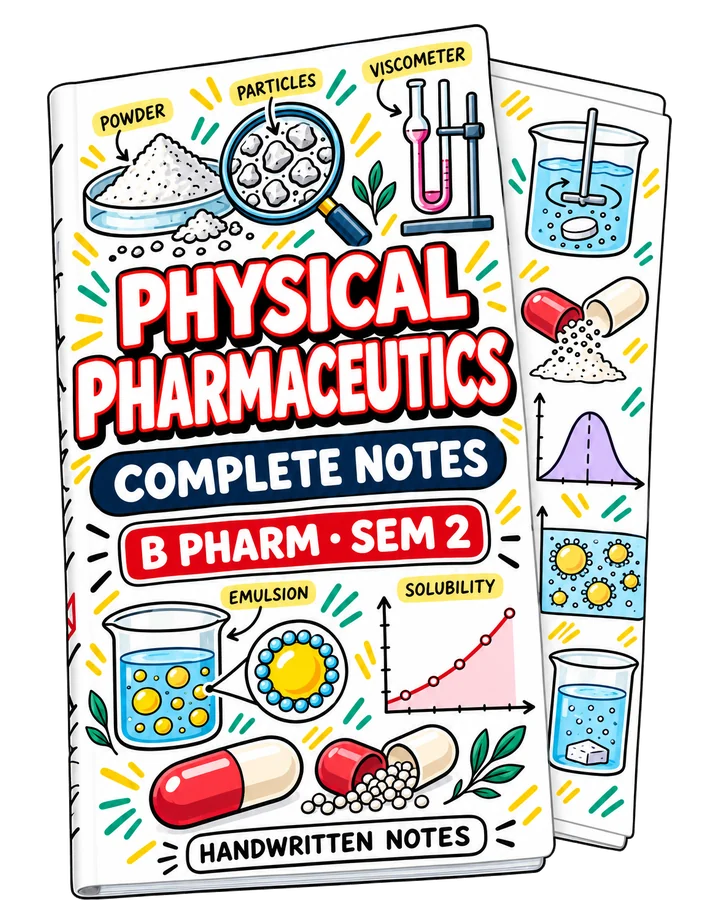
B Pharm · PCI syllabus · Handwritten PDF notes
B Pharm Semester 2Physical Pharmaceutics Notes
Instant PDF download after payment. Pay once, keep forever.
- Instant download
- Lifetime access
- UPI, GPay, PhonePe, cards
Watch before you buy
Students on All Notes PDF
Real students talking about how they revise with our handwritten notes.
How it works
Get your notes in 3 easy steps
No app, no waiting. The whole thing takes under a minute.
- STEP 110 sec
Choose your notes
One subject, any two, or a full class set.
- STEP 230 sec
Pay with UPI or card
GPay, PhonePe, Paytm or card. Pay once, no subscription.
- STEP 3Instant
Download your PDFs
Tap Download on any chapter. Links never expire.
- Log in
- My library
- Download
Complete coverage
All 15 chapters, one PDF each
See every downloadable PDF included with B Pharm Semester 2 Physical Pharmaceutics, organised chapter by chapter.
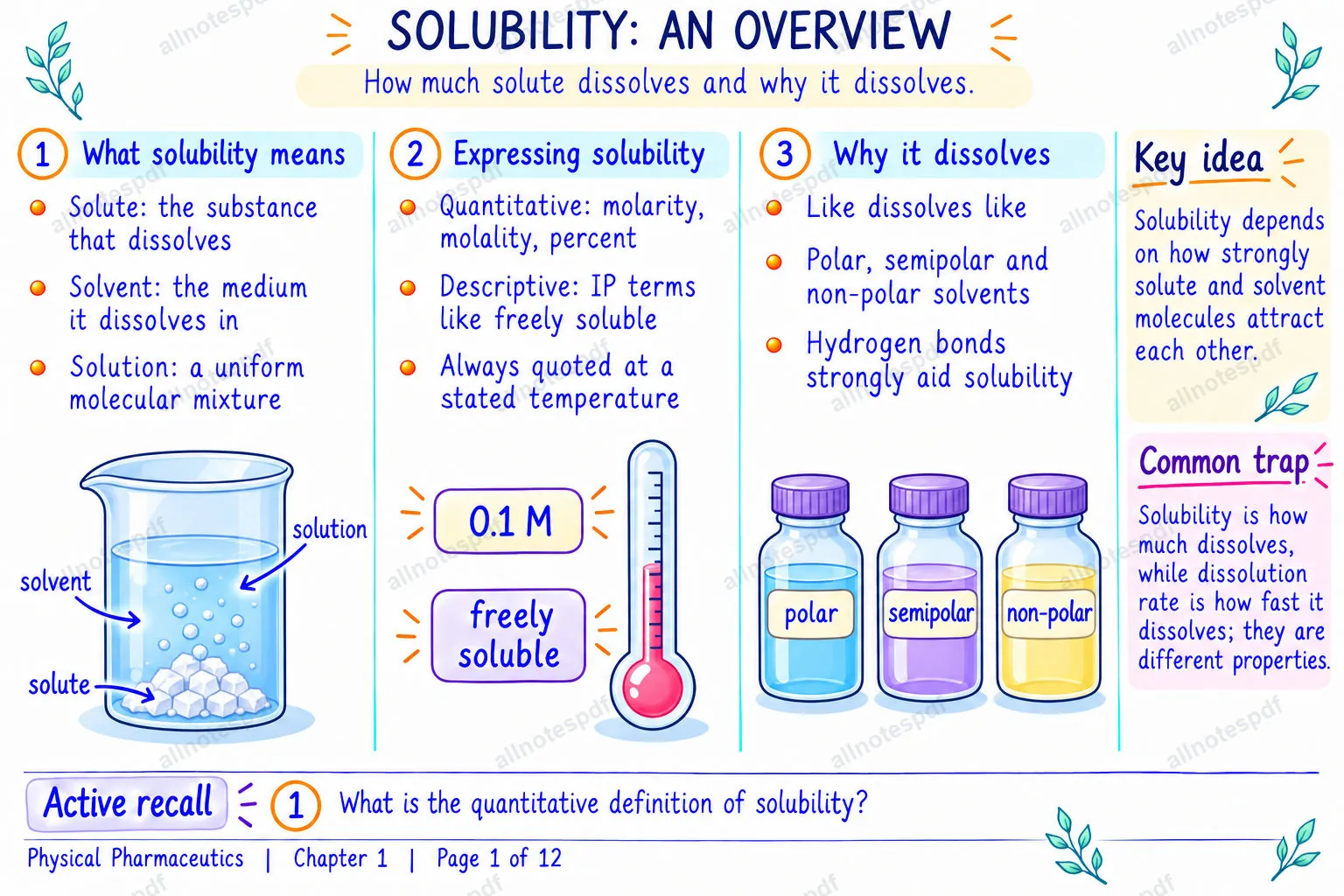
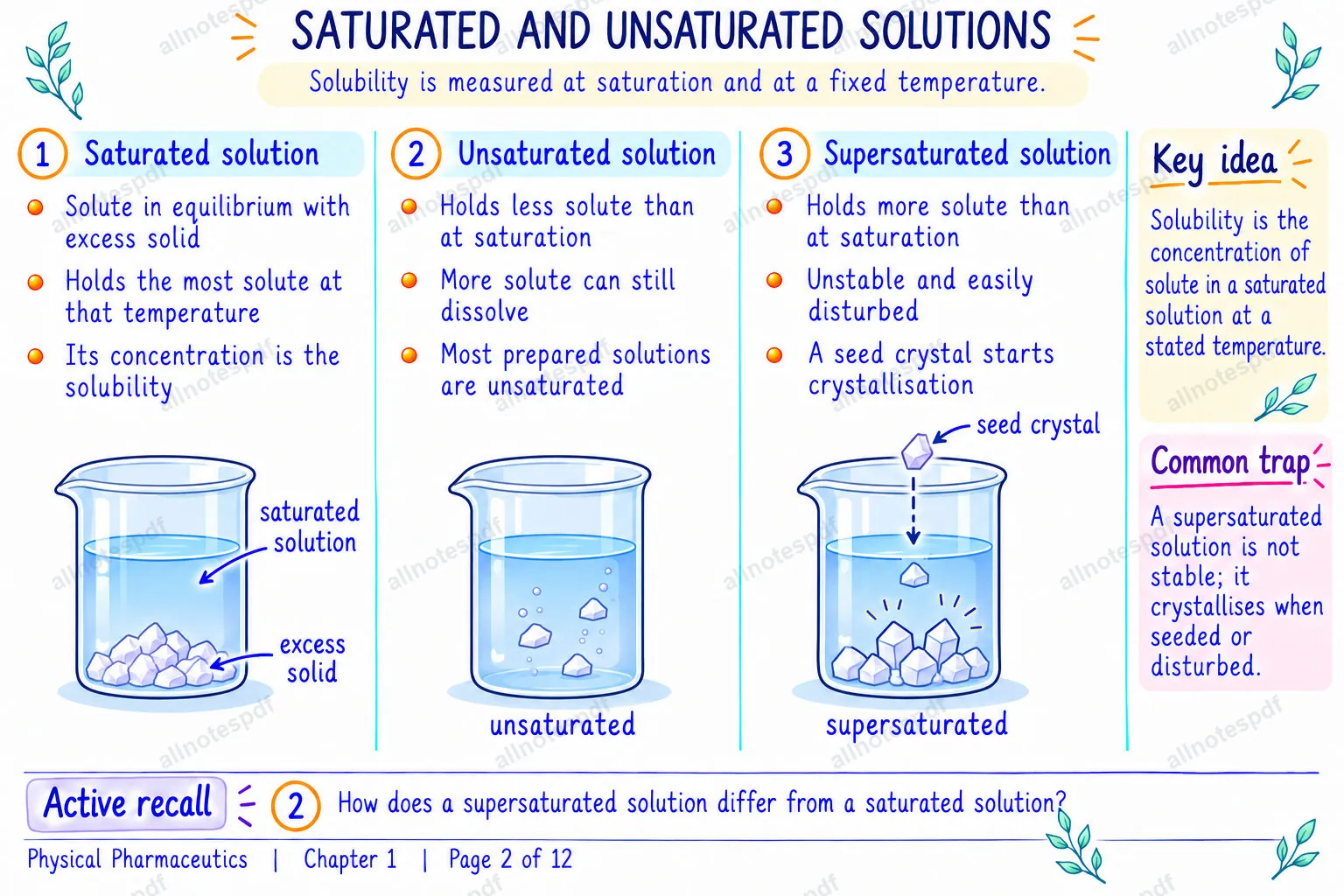
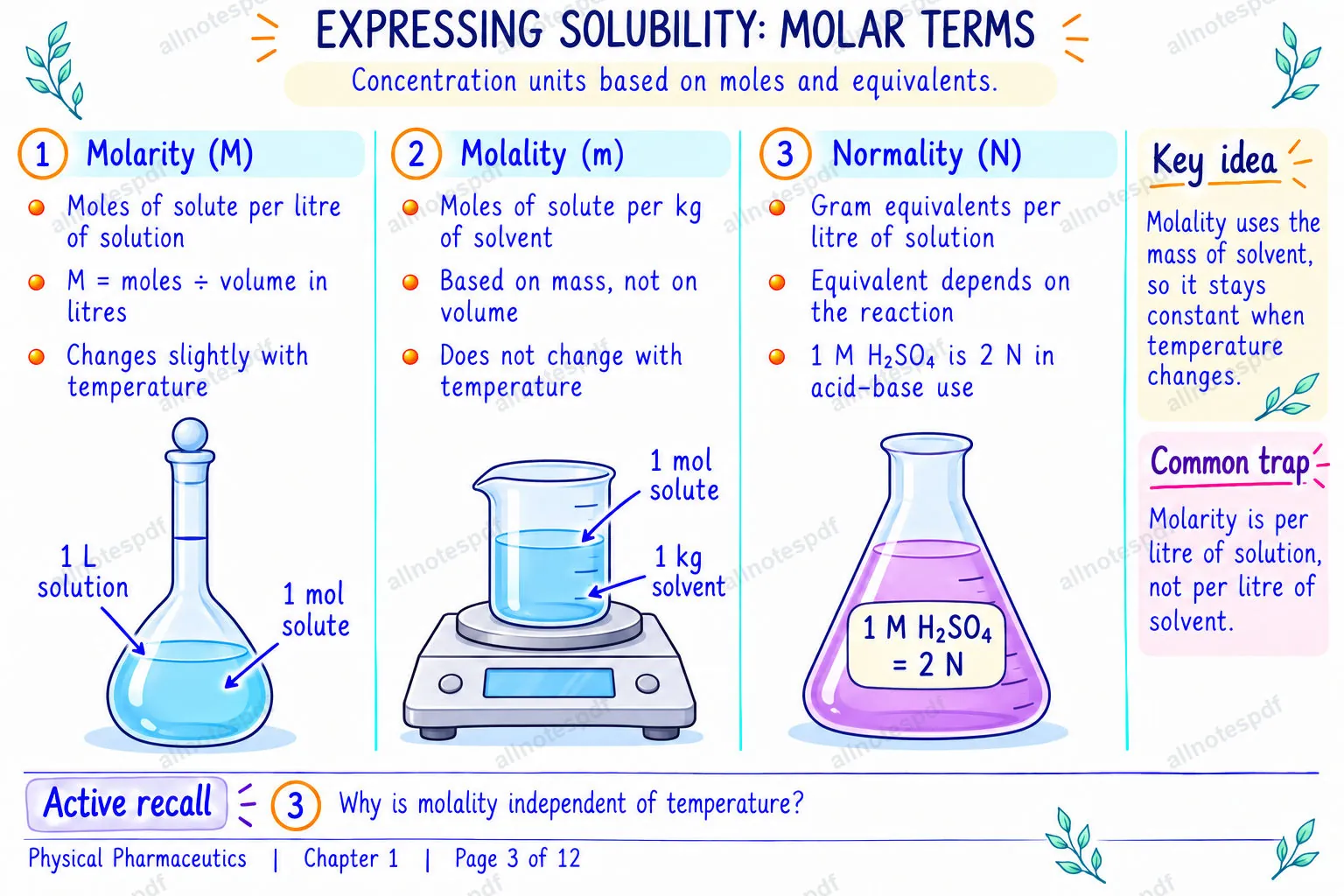
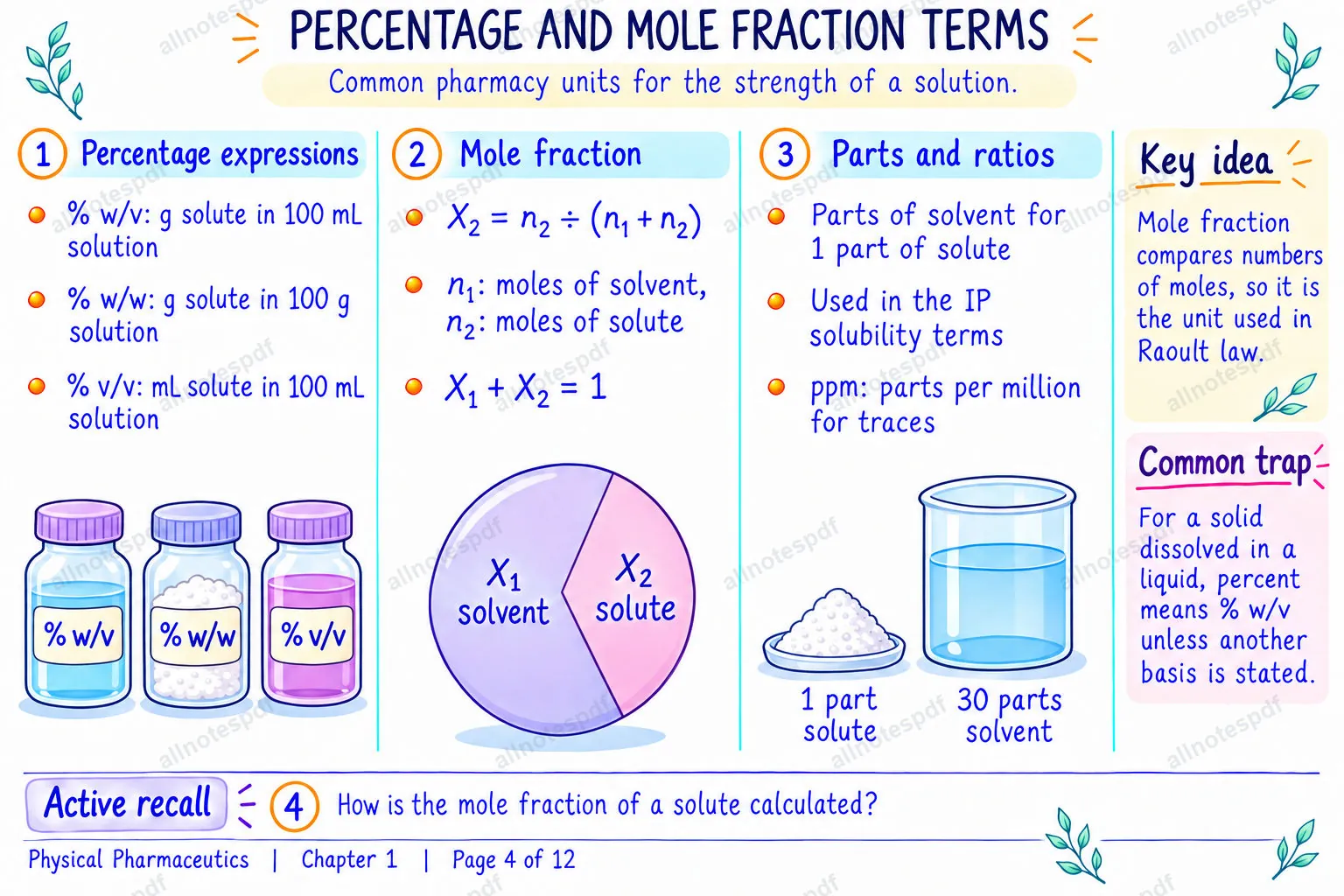
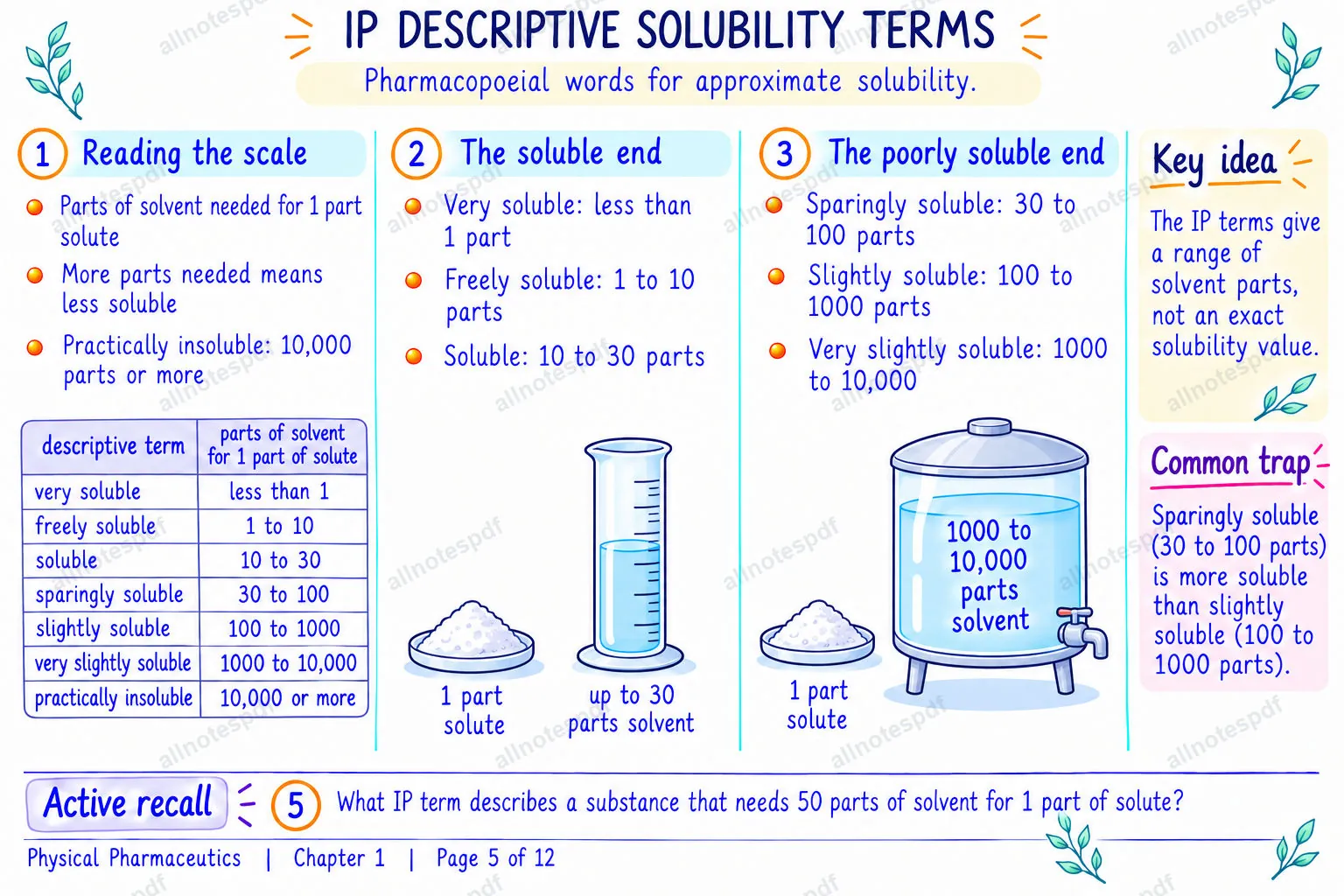
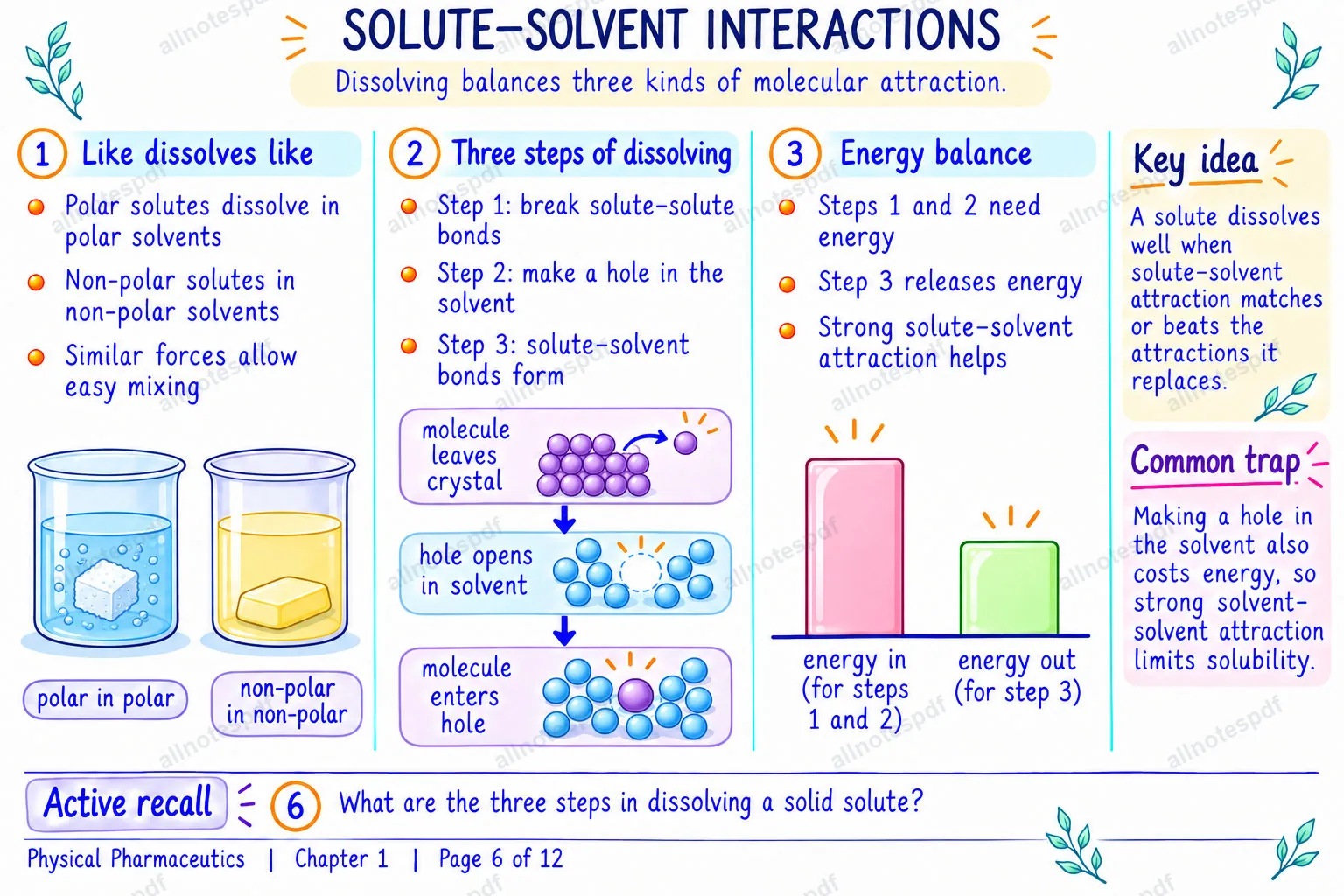
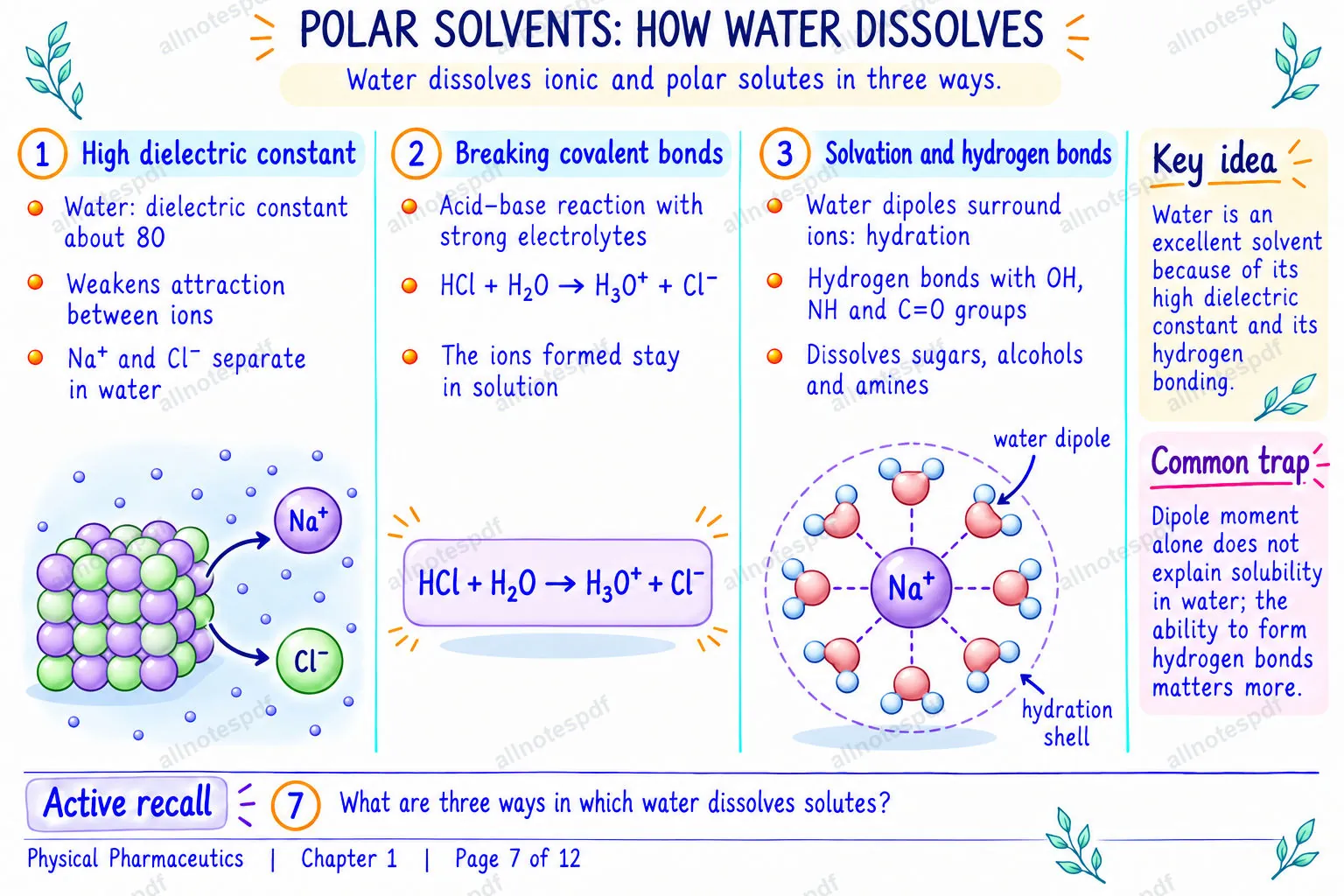
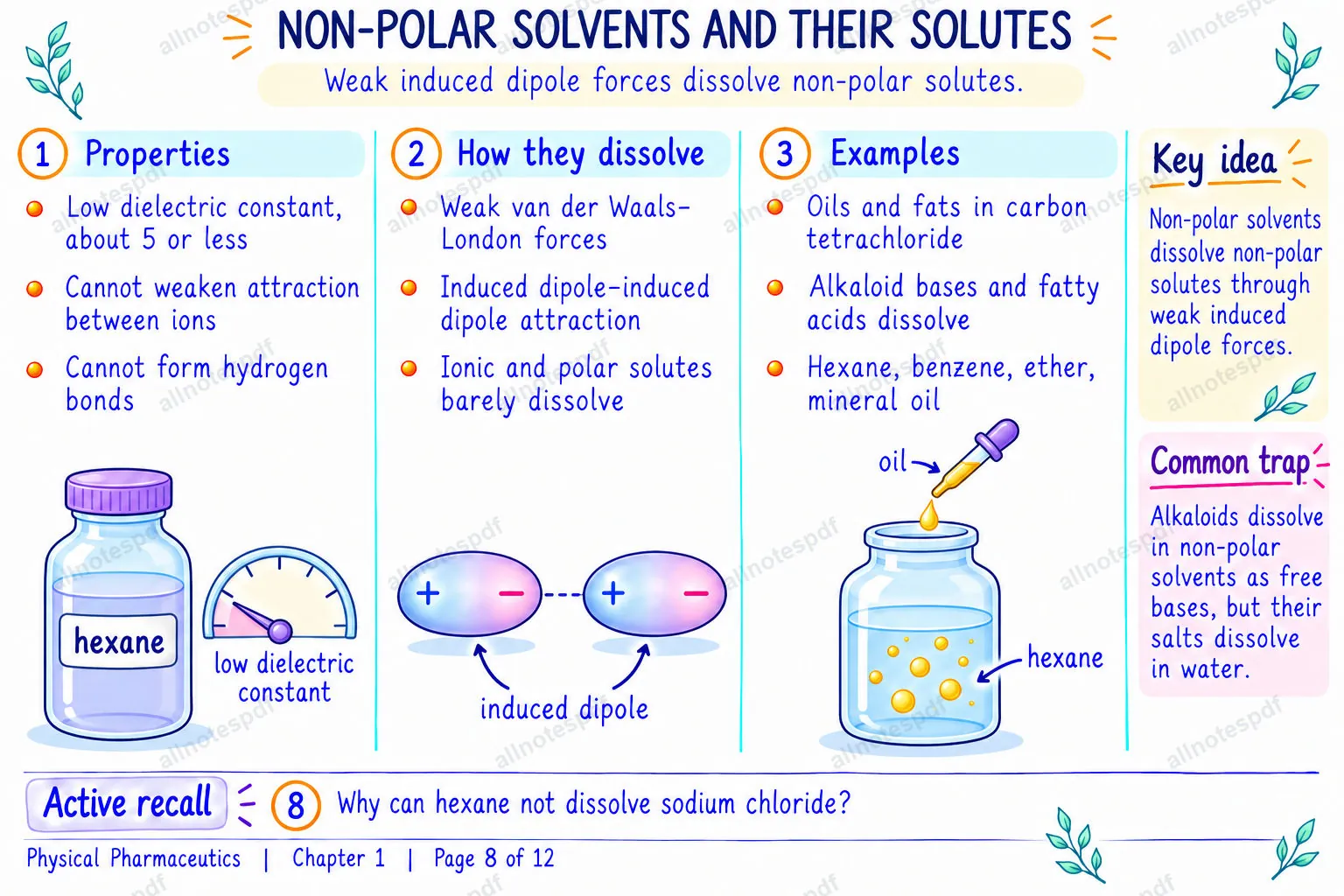
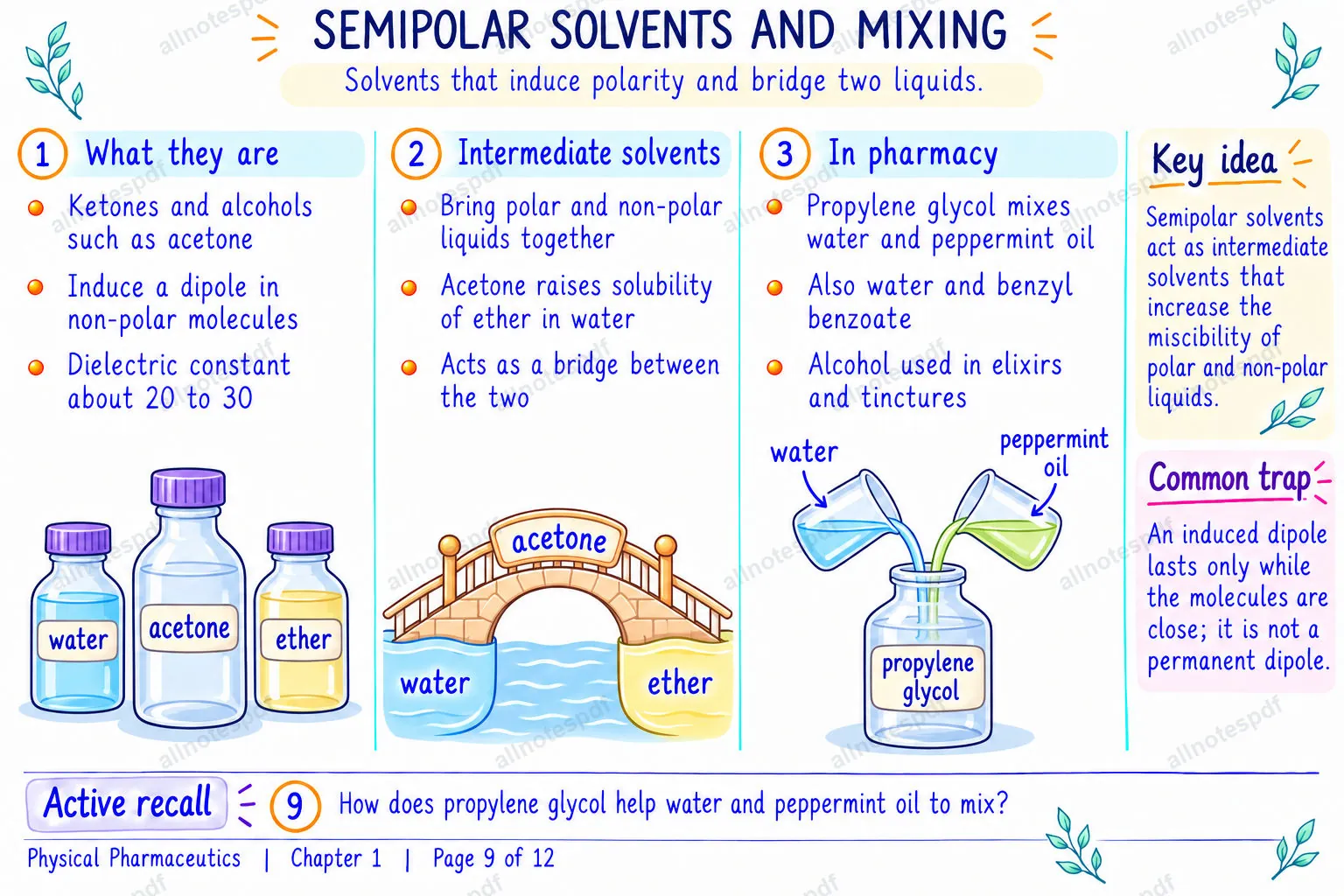
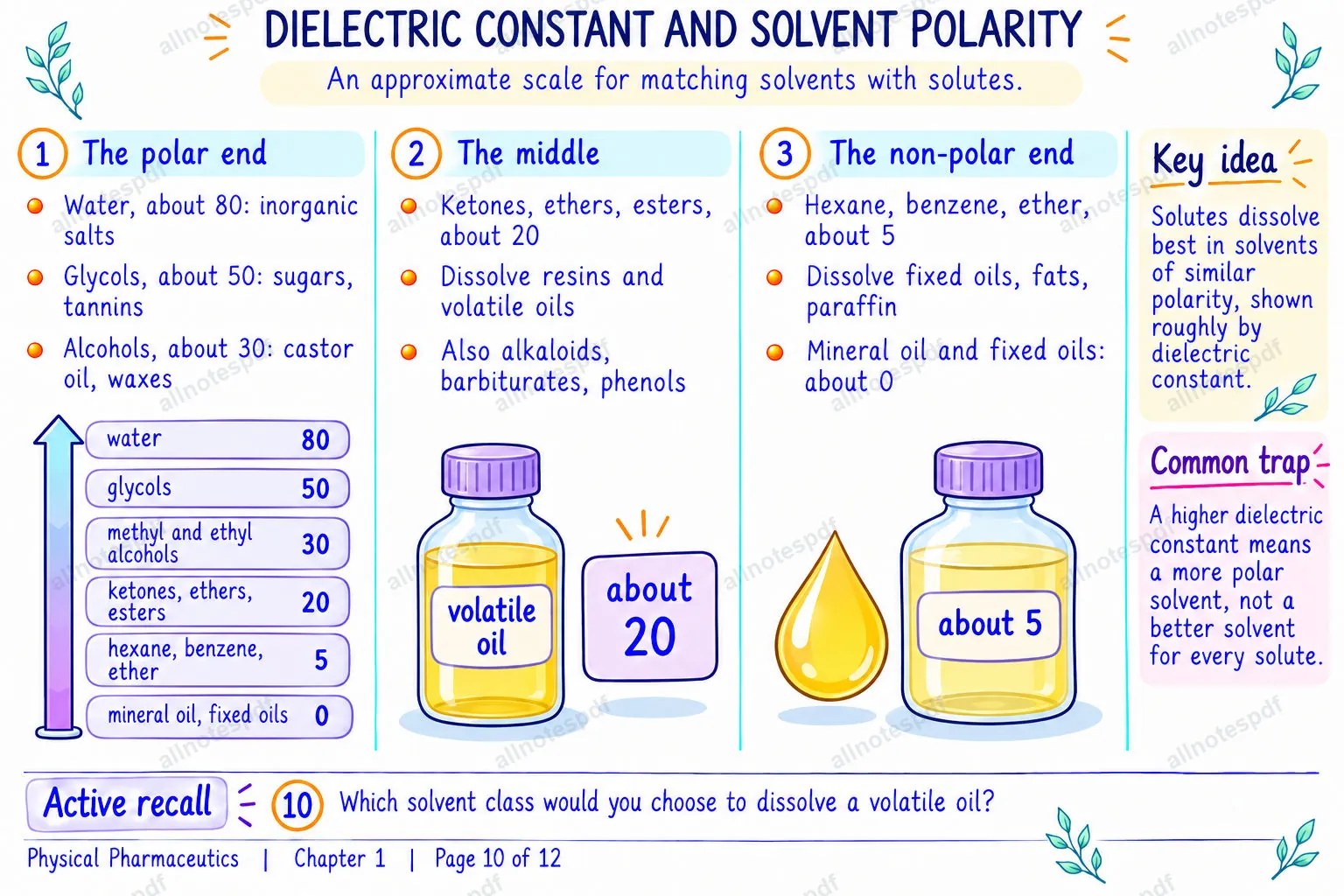
Covers solubility and its expressions: saturated, unsaturated and supersaturated solutions, molarity, molality, normality, percentage and mole fraction, IP descriptive solubility terms, solute–solvent interactions, polar.
Covers solubility of liquids in liquids: ideal solutions and Raoult law, deviations, miscibility, phenol–water critical solution temperature, upper and lower CST, effect of additives and applications, solubility of solids in liquids.
Covers distribution phenomena: the distribution law, partition coefficient and log P, association and dissociation, distribution coefficient and pH, measurement by shake-flask, HPLC and calculation, and significance in absorption.
Covers buffers: buffer action, the Henderson–Hasselbalch buffer equation, factors influencing buffer pH, buffer capacity and the Van Slyke equation, factors influencing buffer capacity, general procedure for preparing buffers.
Covers liquid interfaces: types of interfaces, origin and definition of surface tension, interfacial tension, surface free energy, measurement by capillary rise, drop weight and drop count, du Noüy ring and Wilhelmy plate.
Covers surface active agents: structure, classification, micelles and critical micelle concentration, the HLB system, HLB scale and uses, calculation and blending of HLB values, detergency.
Covers adsorption at solid interfaces, physical and chemical adsorption, adsorption isotherms, activated charcoal, contact angle and wetting, wetting agents, adsorption of surface active agents, origin of surface charge.
Covers colloidal dispersions: size range of dispersed systems, classification by phase, lyophilic, lyophobic and association colloids, size and shape of colloidal particles, optical properties, kinetic properties (Brownian motion.
Covers stability of colloidal systems: stabilising factors, stability of lyophobic and lyophilic colloids, Schulze–Hardy rule, Hofmeister series and coacervation, peptisation, protective action and gold number.
Covers coarse dispersions: pharmaceutical suspensions and their desirable qualities, Stokes law and the theory of sedimentation, factors controlling settling, Brownian movement, flocculated and deflocculated suspensions.
Covers emulsions: types and identification tests, role of emulsifying agents, theories of emulsification (surface tension, oriented wedge, monomolecular adsorption, multimolecular adsorption and film formation.
Covers rheology: shearing stress and rate of shear, viscosity and Newton's law of flow, units, kinematic viscosity, effect of temperature, relative, specific and intrinsic viscosity, Newtonian rheograms, and non-Newtonian plastic.
Covers thixotropy and the hysteresis loop, measurement of thixotropy, bulges and spurs, negative thixotropy and rheopexy, single-point viscometers (capillary and falling sphere), multi-point rotational viscometers (cup and bob.
Covers micromeritics: equivalent diameters, particle size distribution, significance of particle size, methods of size determination (optical microscopy, sieving, sedimentation, Coulter counter), particle shape and shape factors.
Covers flow properties of powders: significance, factors affecting flow, angle of repose and its flow scale, bulk and tapped density, Carr's compressibility index, Hausner ratio, flow through an orifice.
What you get
- Format
- Downloadable PDF (not a printed book)
- Chapters
- 15 chapter PDFs, one per syllabus unit topic
- Syllabus
- B Pharm Semester 2, PCI NEP-2020 syllabus for Physical Pharmaceutics
- Style
- Handwritten-style notes with colour diagrams, flowcharts and formula boxes
- Devices
- Phone, tablet and laptop. Print any chapter if you like
- Access
- Lifetime. Download again anytime from My library
- Instant downloadRight after payment
- Free updatesCorrections added free
- Secure paymentUPI, cards, net banking