
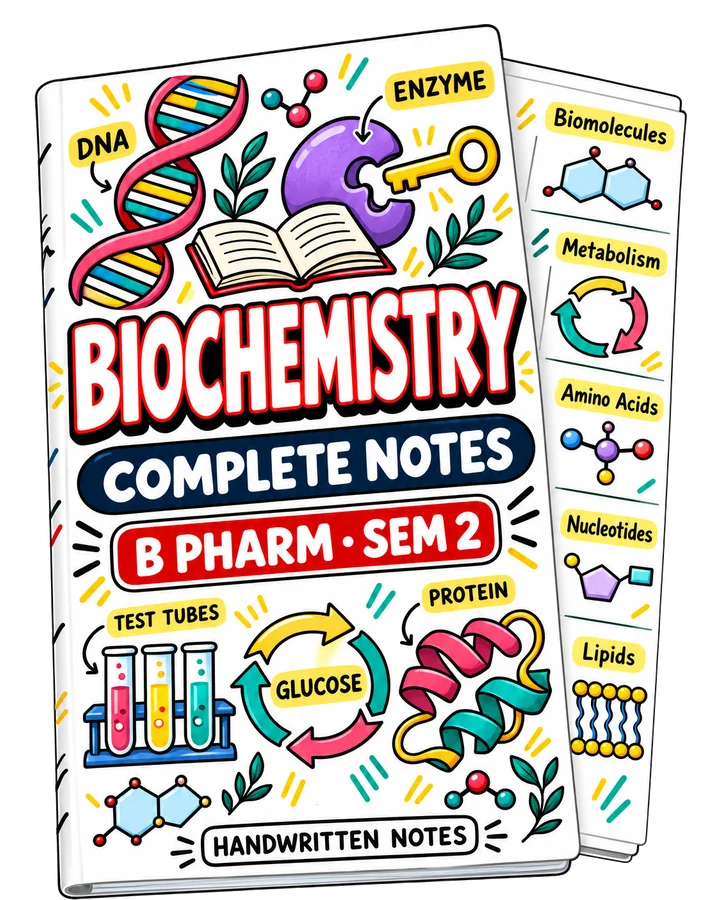
B Pharm · PCI syllabus · Handwritten PDF notes
B Pharm Semester 2Biochemistry Notes
Instant PDF download after payment. Pay once, keep forever.
- Instant download
- Lifetime access
- UPI, GPay, PhonePe, cards
Watch before you buy
Students on All Notes PDF
Real students talking about how they revise with our handwritten notes.
How it works
Get your notes in 3 easy steps
No app, no waiting. The whole thing takes under a minute.
- STEP 110 sec
Choose your notes
One subject, any two, or a full class set.
- STEP 230 sec
Pay with UPI or card
GPay, PhonePe, Paytm or card. Pay once, no subscription.
- STEP 3Instant
Download your PDFs
Tap Download on any chapter. Links never expire.
- Log in
- My library
- Download
Complete coverage
All 18 chapters, one PDF each
See every downloadable PDF included with B Pharm Semester 2 Biochemistry, organised chapter by chapter.
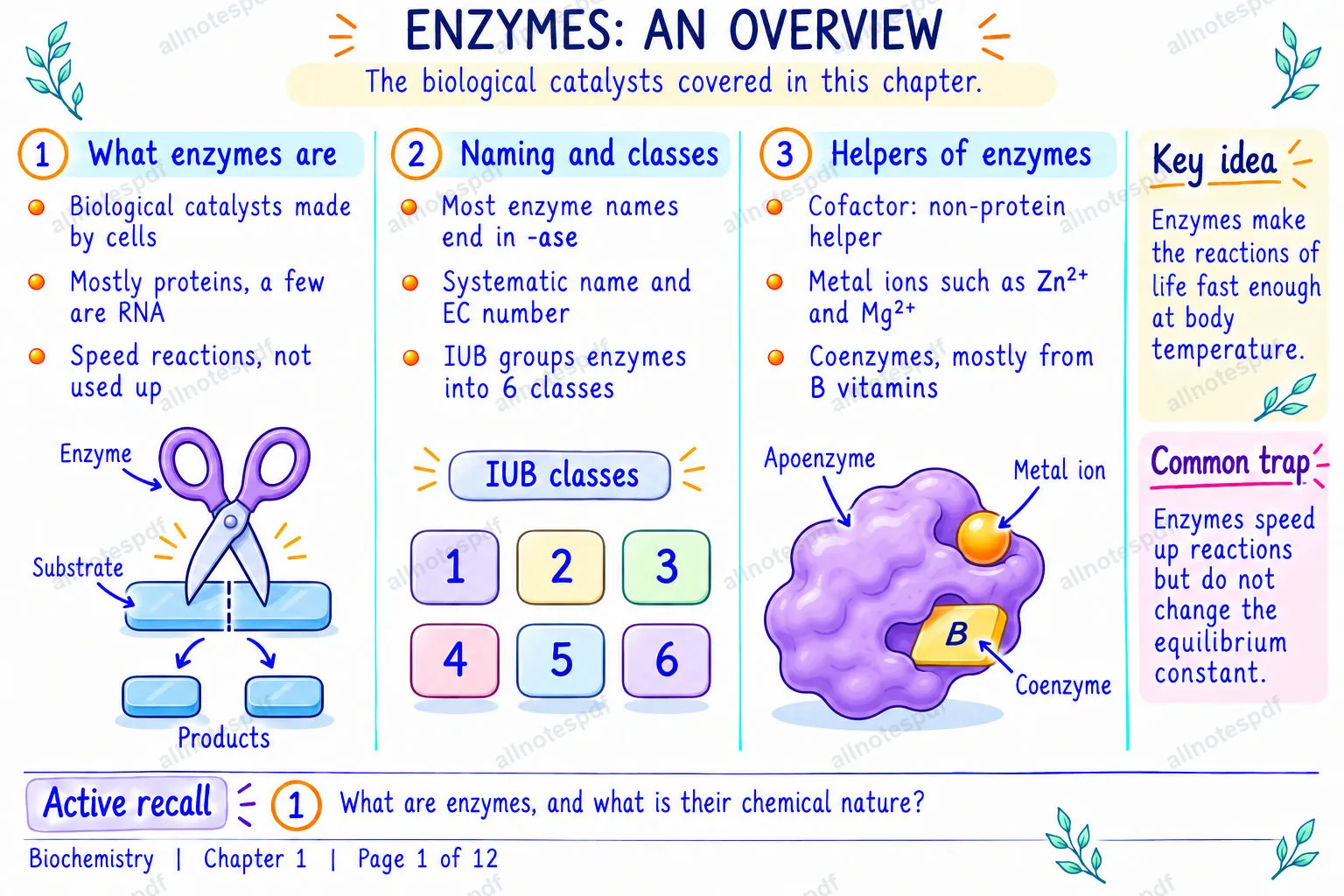
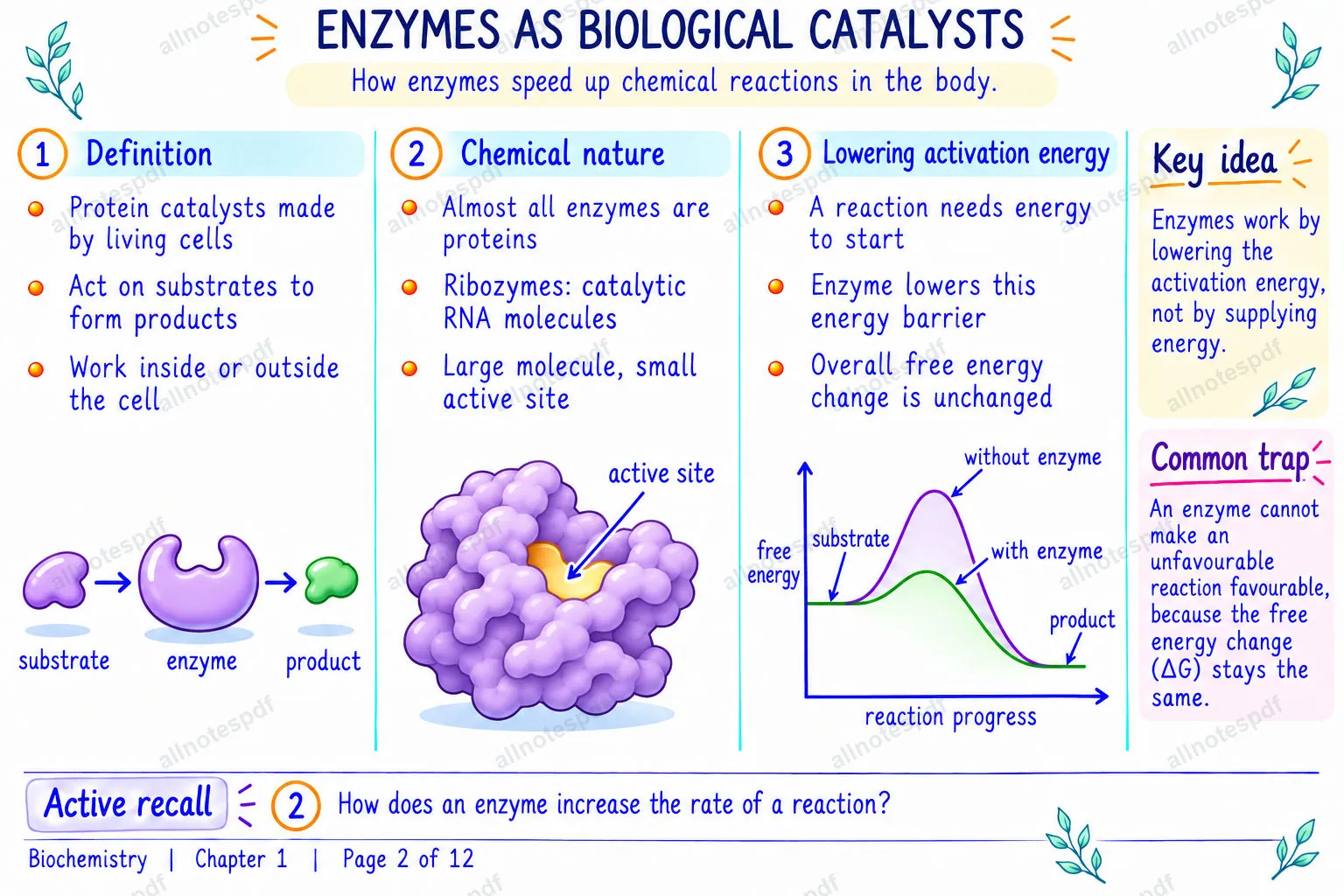
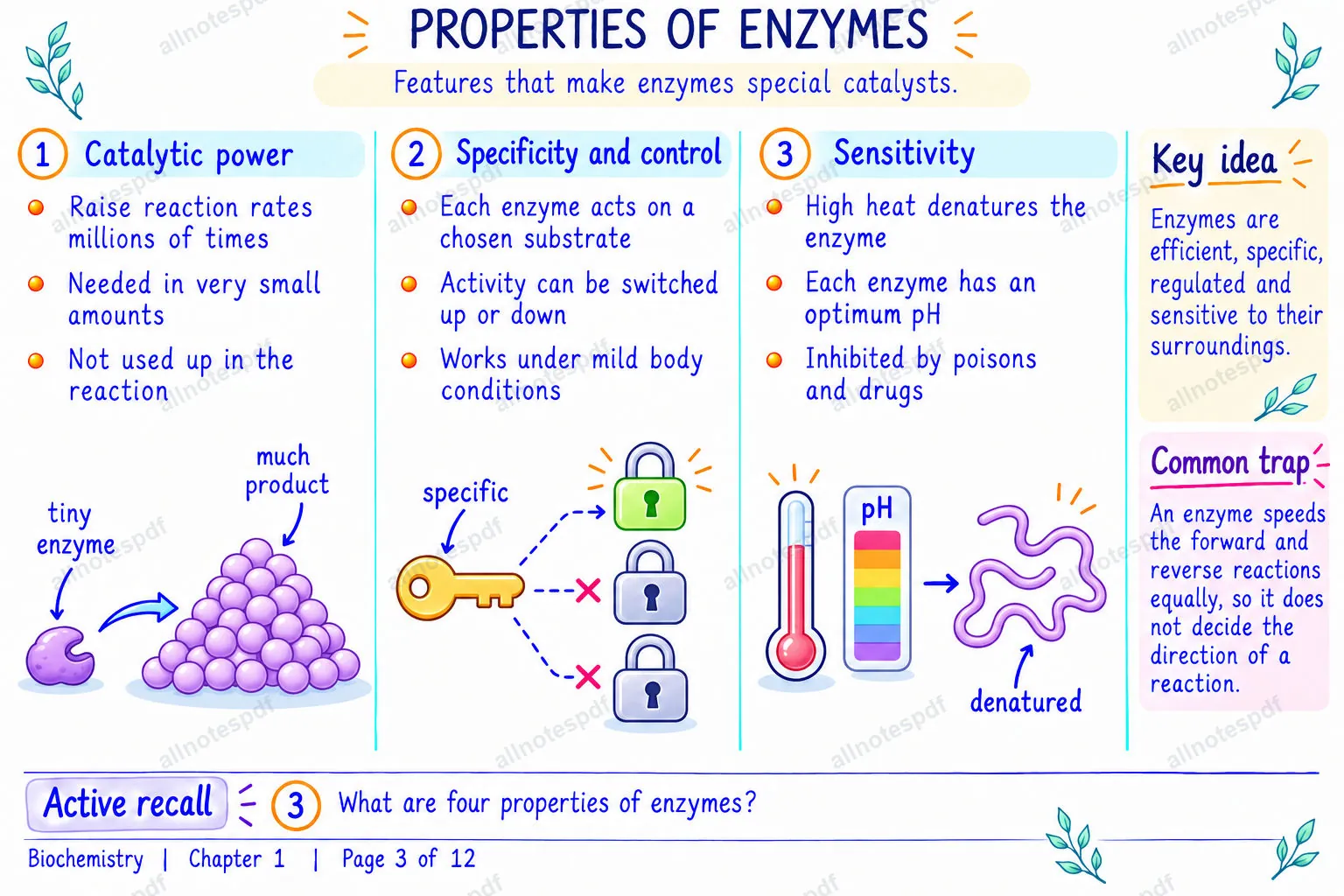
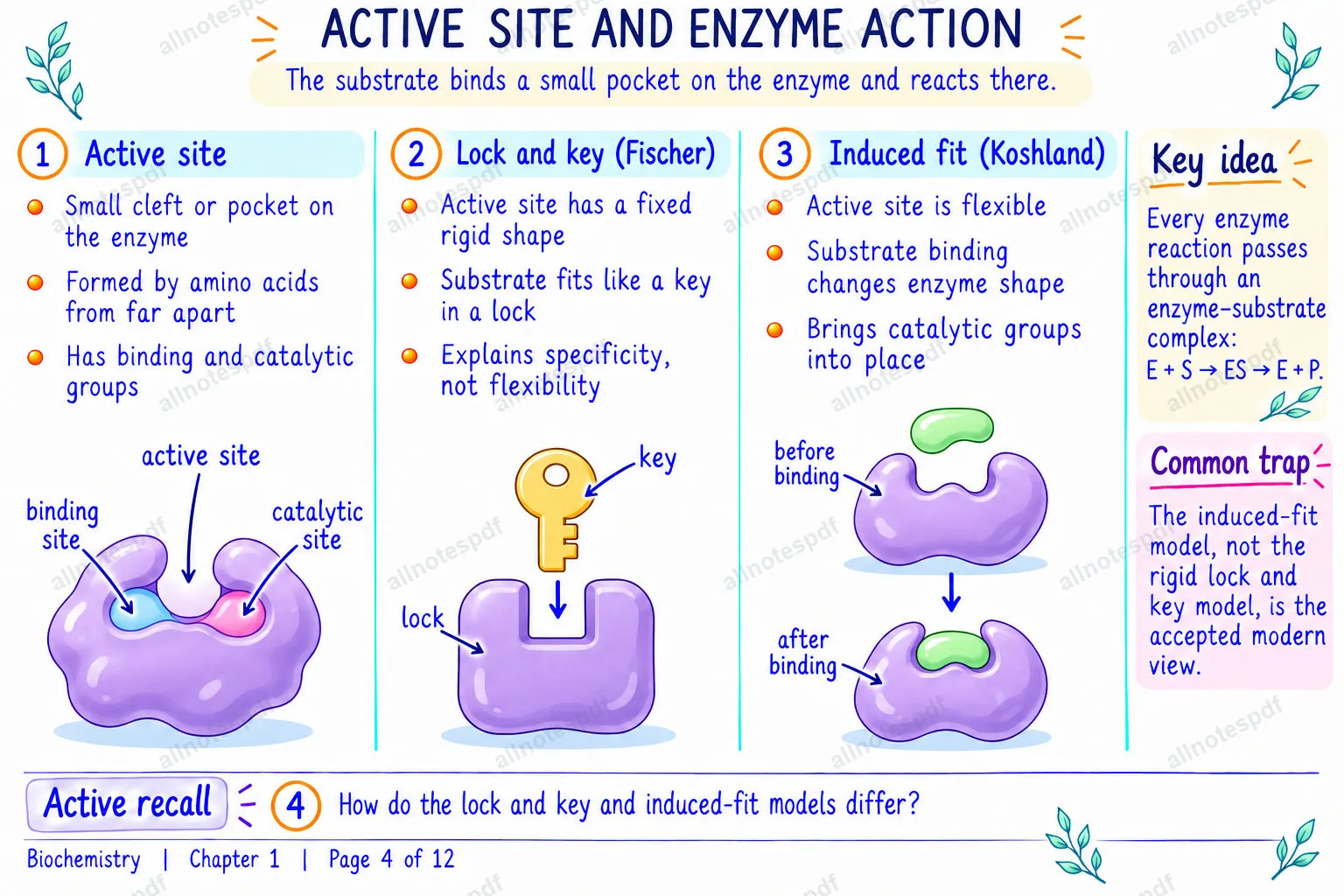
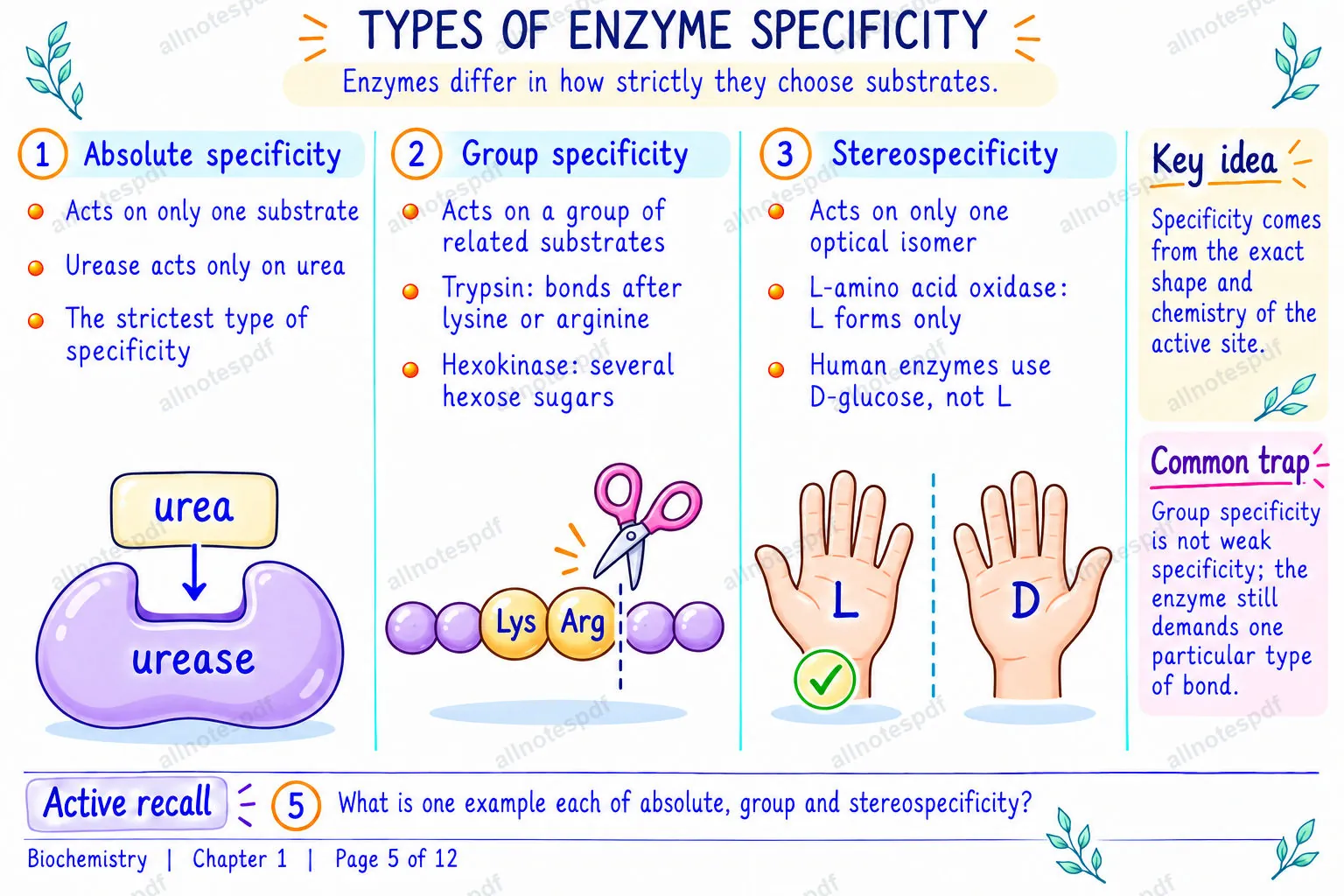
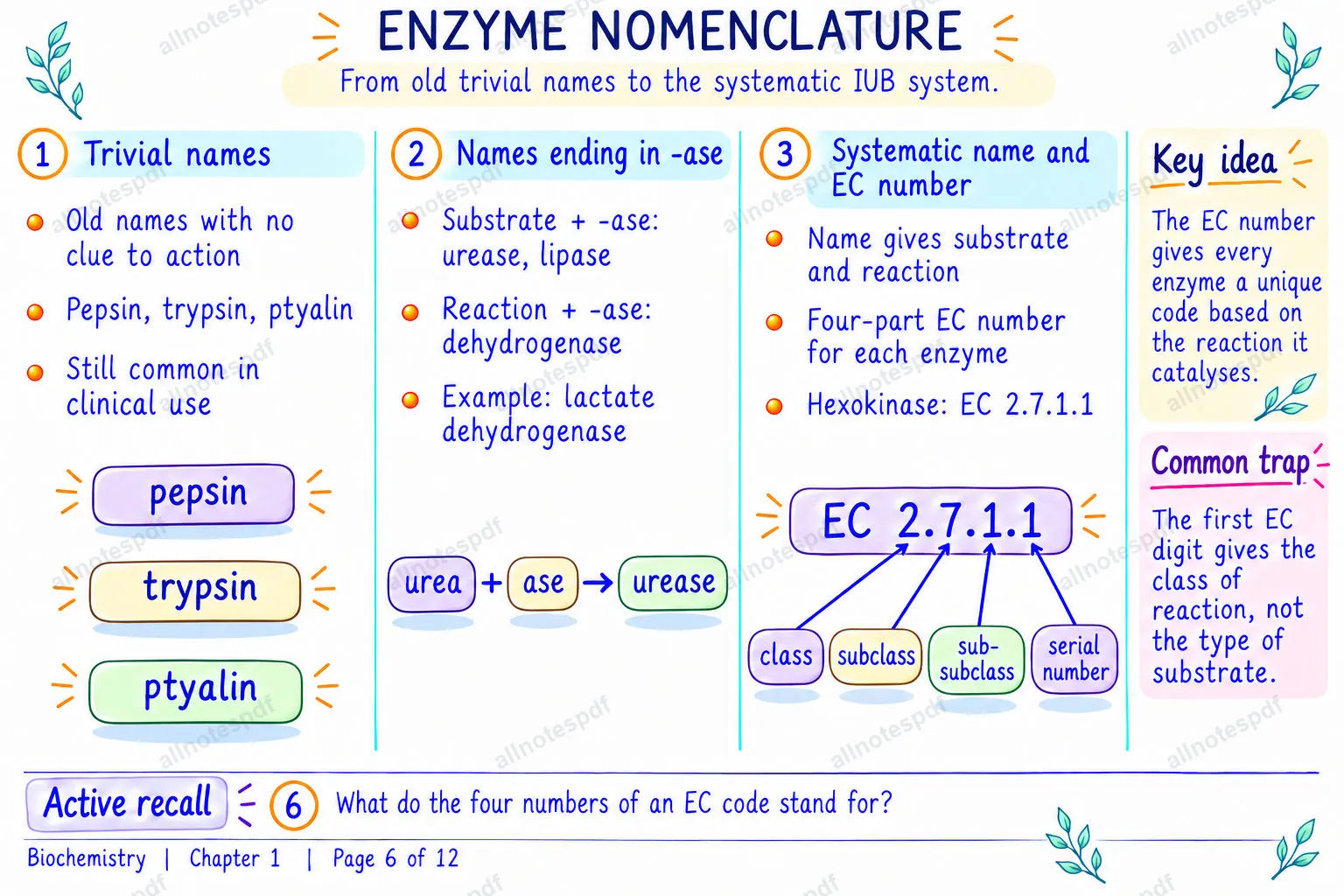
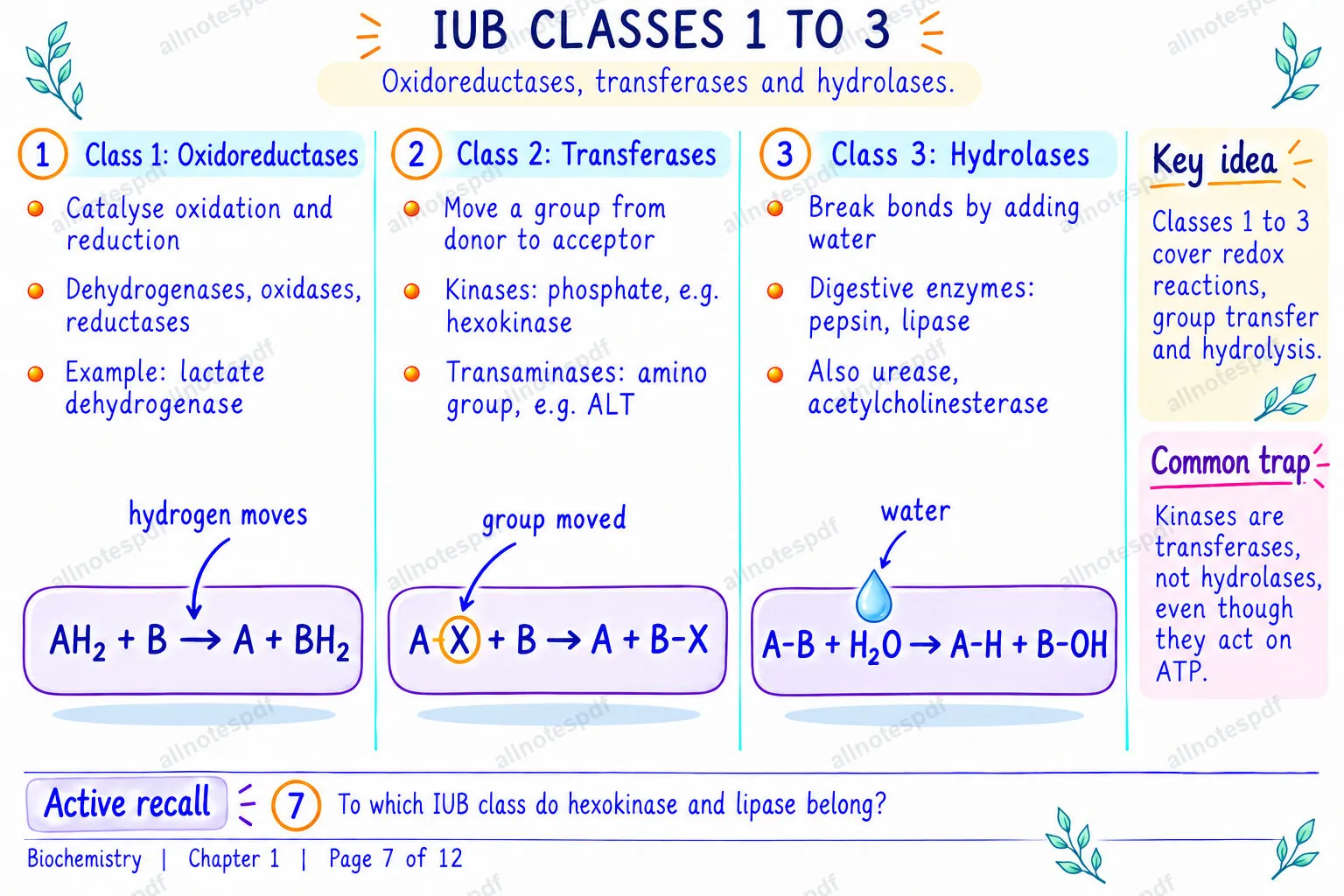
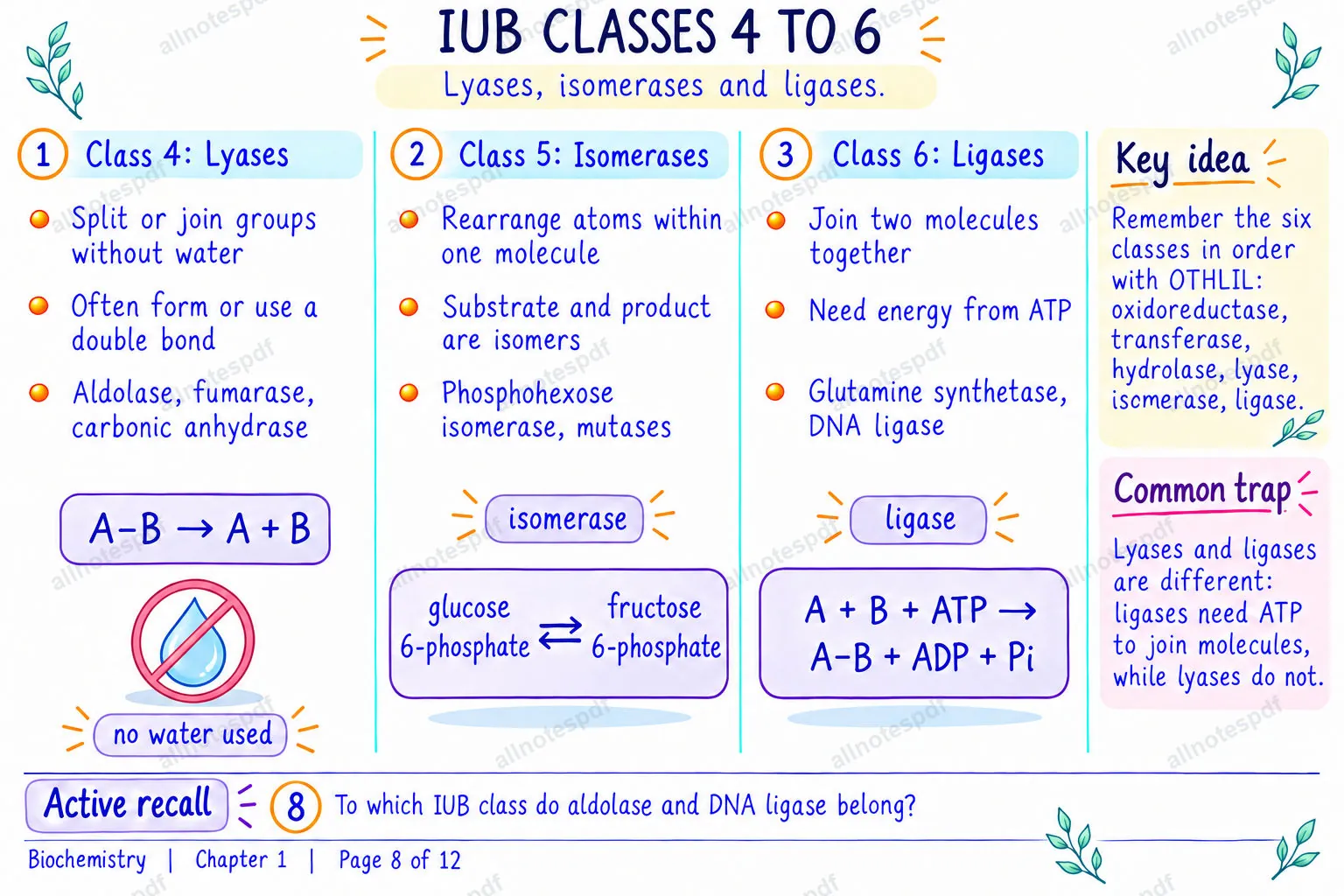
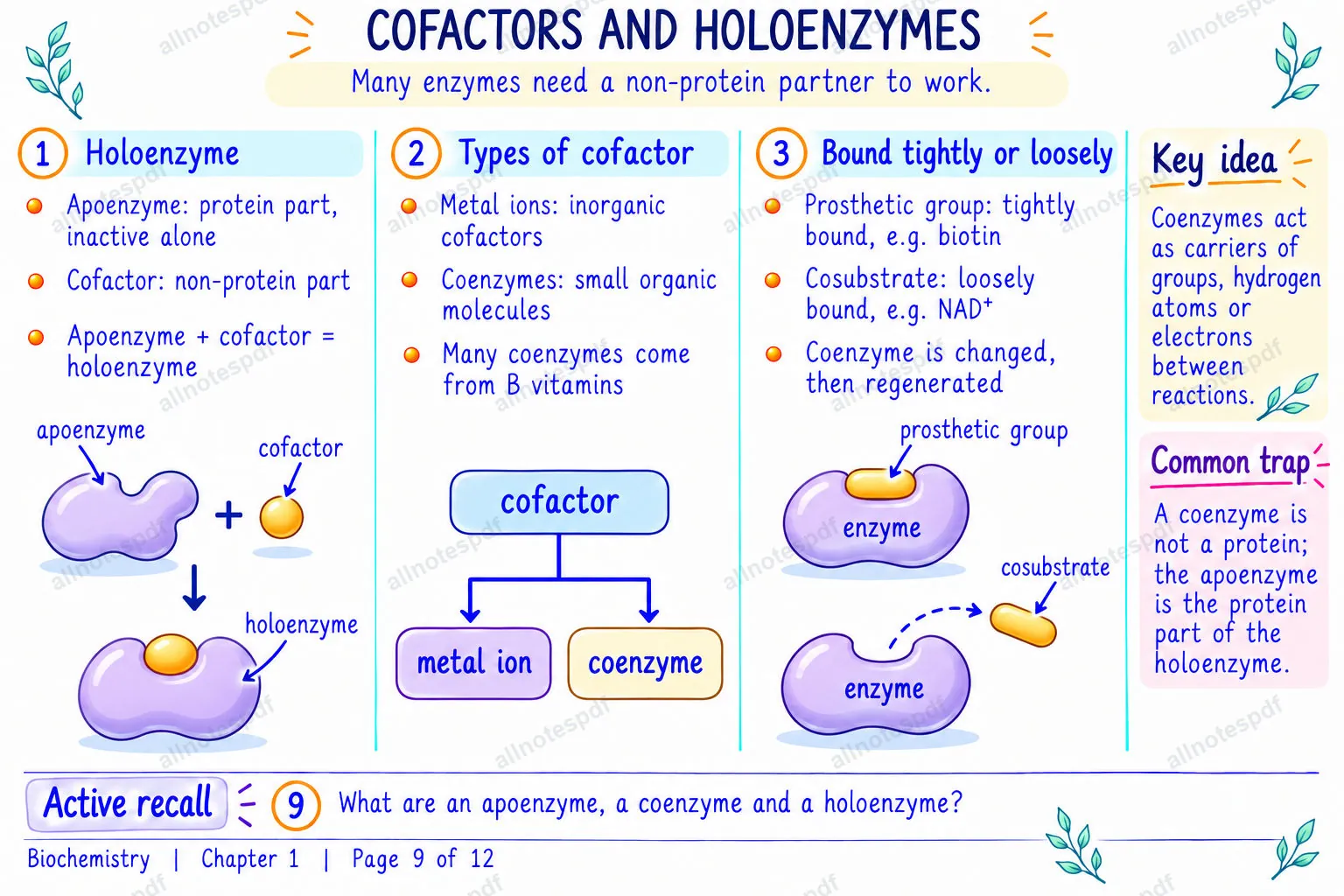
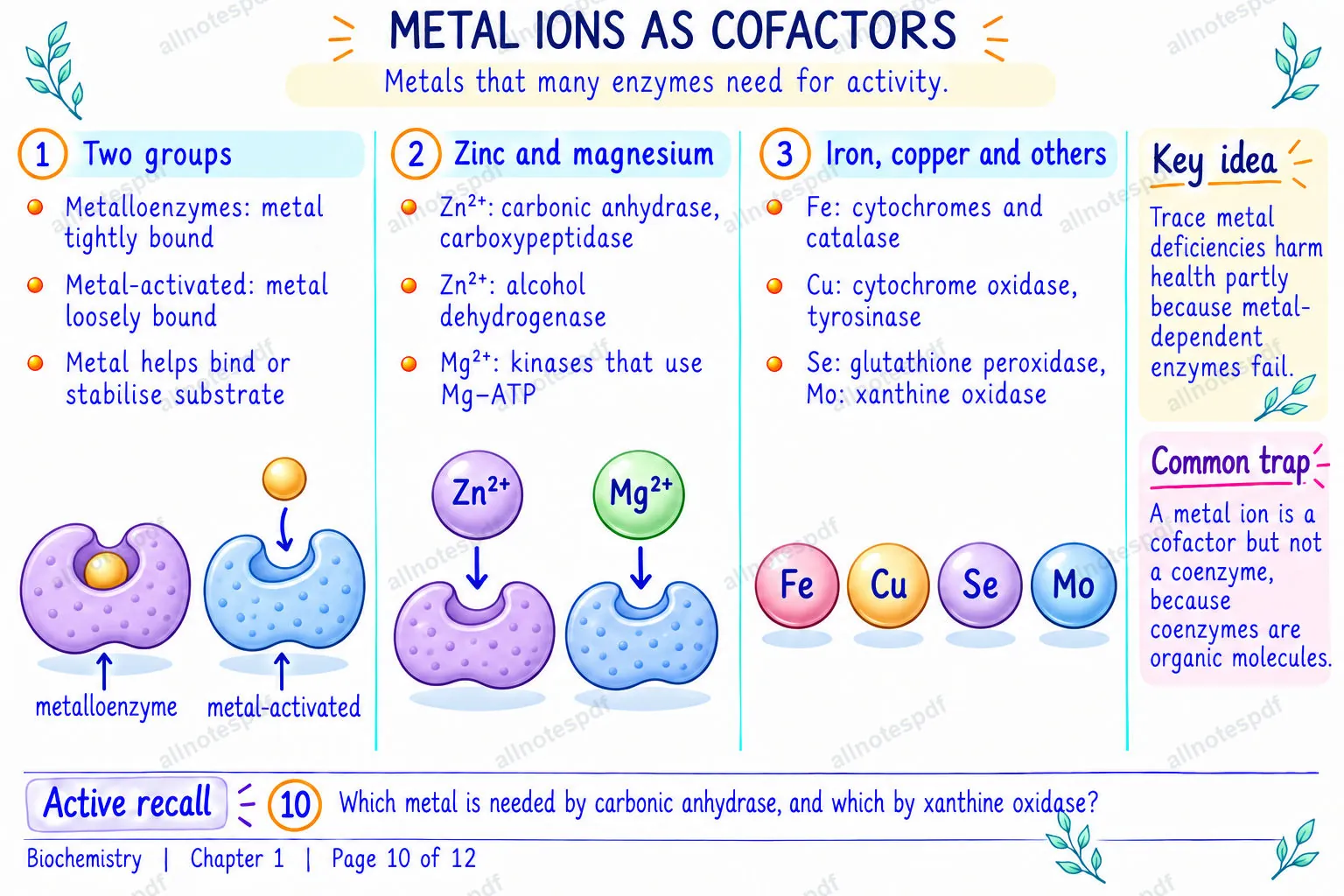
Covers enzymology: introduction, chemical nature and properties of enzymes, active site and specificity, nomenclature, IUB classification into six classes with EC numbers, cofactors, metal ions and coenzymes derived from B vitamins.
Covers enzyme kinetics and regulation: factors affecting enzyme activity, Michaelis–Menten equation and plot, Km and Vmax, Lineweaver–Burk plot, competitive, non-competitive, uncompetitive.
Covers clinical enzymology and clinical chemistry: therapeutic and diagnostic applications of enzymes, plasma enzymes, isoenzymes of lactate dehydrogenase and creatine kinase, liver function tests, renal function tests and the ELISA test.
Covers dietary macronutrients and micronutrients: digestion and absorption of carbohydrates, proteins, lipids, vitamins and minerals, and the functions and deficiencies of calcium, phosphorus, iron, iodine, zinc, copper and selenium.
Covers vitamins: classification, fat-soluble vitamins A, D, E and K, water-soluble B-complex vitamins and vitamin C, their active forms, biochemical functions and deficiency diseases.
Introduction to biomolecules (carbohydrates, lipids, amino acids, proteins and nucleic acids) and bioenergetics: free energy, enthalpy and entropy, standard free energy and coupled reactions, redox potential.
Covers glycolysis with its steps, enzymes, energetics and regulation, the fate of pyruvate under aerobic and anaerobic conditions, the pyruvate dehydrogenase link reaction, and the citric acid (TCA) cycle with its steps, energetics.
Covers gluconeogenesis with its substrates, bypass reactions and the Cori cycle, the HMP shunt and G6PD deficiency, glycogenesis and glycogenolysis with their hormonal control, regulation of blood glucose.
Covers biological oxidation: oxidoreductases and the mitochondrion, the electron transport chain and its complexes, oxidative phosphorylation, the chemiosmotic theory and ATP synthase, P/O ratios, shuttles and respiratory control.
Covers lipids: definition, classification into simple, compound and derived lipids, fatty acids, phospholipids, glycolipids, steroids and eicosanoids, biological functions, physical and chemical properties.
Covers fatty acid metabolism: lipolysis and activation, carnitine shuttle, steps and energetics of β-oxidation, oxidation of odd-chain and special fatty acids.
Covers cholesterol: biological significance, synthesis and regulation; lipid profile with desirable values and clinical significance; hyperlipoproteinaemias, familial hypercholesterolaemia, lipid storage diseases, atherosclerosis.
Covers amino acids: general structure and properties, classification by side chain, nutritional and metabolic classification, physiological roles; proteins: peptide bond, primary, secondary, tertiary and quaternary structure.
Covers general amino acid metabolism: amino acid pool, transamination with ALT and AST, oxidative and non-oxidative deamination, decarboxylation, ammonia transport and toxicity, urea cycle steps, regulation and disorders.
Covers catabolism of specific amino acids: phenylalanine and tyrosine metabolism, phenylketonuria, albinism, alkaptonuria, tyrosinaemia, maple syrup urine disease and Hartnup disease; amine messengers serotonin, melatonin, dopamine.
Covers nucleotide metabolism: PRPP and sources of ring atoms, de novo synthesis and salvage of purine nucleotides, Lesch–Nyhan syndrome, de novo pyrimidine synthesis and orotic aciduria, formation of CTP.
Covers genome structure and central dogma: organisation of the mammalian genome, chromatin and nucleosomes, DNA replication and its enzymes, transcription and mRNA processing, properties of the genetic code, translation.
Covers dNA damage and repair: spontaneous and induced DNA damage, mutation types, direct reversal, base excision, nucleotide excision, mismatch and double-strand break repair, the p53 damage response.
What you get
- Format
- Downloadable PDF (not a printed book)
- Chapters
- 18 chapter PDFs, one per syllabus unit topic
- Syllabus
- B Pharm Semester 2, PCI NEP-2020 syllabus for Biochemistry
- Style
- Handwritten-style notes with colour diagrams, flowcharts and formula boxes
- Devices
- Phone, tablet and laptop. Print any chapter if you like
- Access
- Lifetime. Download again anytime from My library
- Instant downloadRight after payment
- Free updatesCorrections added free
- Secure paymentUPI, cards, net banking